


A cough can be one of the most frustrating symptoms for parents because it can sound terrible even when a child is otherwise doing well. One child may cough for days after a simple cold while happily playing, eating and sleeping, while another may have a quieter cough but also be breathing faster, wheezing or acting unusually tired.
So how do you know when your child’s cough can be watched at home – and when it is time to call the pediatrician?
For Denver-area families, coughs become especially common during fall and winter as children return to school, respiratory viruses circulate and Colorado’s dry air can make already-irritated airways feel even more uncomfortable. Most coughs in children are caused by viral respiratory infections and improve with time, but the way your child is breathing, how they are acting and what other symptoms accompany the cough often matter more than how dramatic the cough itself sounds.
Why Do Kids Cough So Much?
Coughing is a protective reflex that helps clear mucus, irritants and other material from the airways. That means suppressing every cough is not necessarily the goal. Often, the cough is doing useful work while the body recovers.
Common causes of coughing in children include colds and other viral respiratory infections, postnasal drainage, influenza, RSV, asthma or reactive airways, allergies, croup, pneumonia and irritation from dry air, smoke or other environmental triggers. Less commonly, coughing can begin after a child accidentally inhales food or another small object into the airway.
Sometimes the timing or character of the cough provides useful clues, but symptoms overlap considerably. Your pediatrician may need to consider your child’s age, breathing, fever, medical history and physical examination before determining what is causing it.
How Long Can a Cough Last After a Cold?
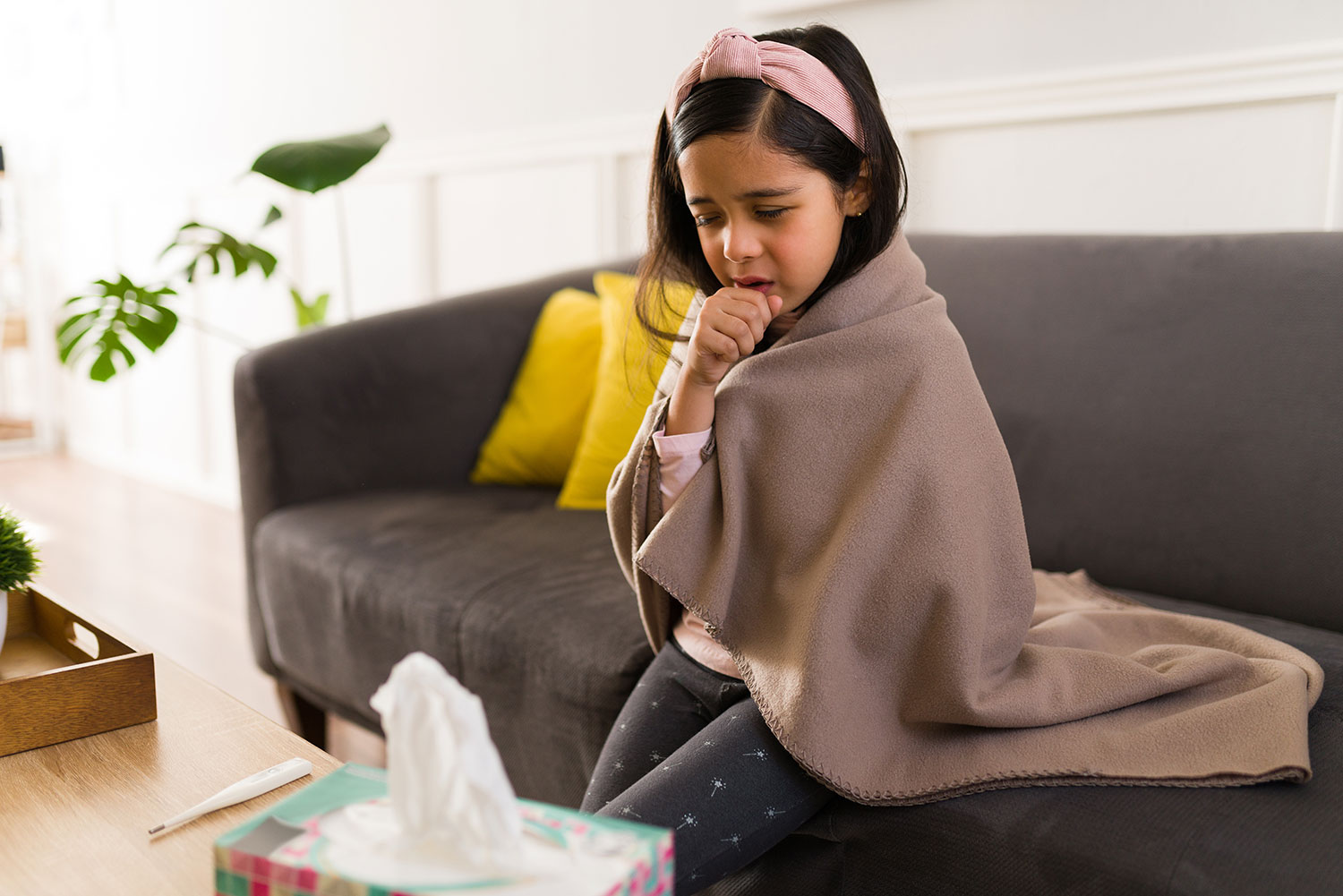
One of the most reassuring things for parents to know is that a cough often lasts longer than the rest of a cold. Congestion, sore throat and fever may improve while lingering airway irritation and mucus continue triggering a cough for days afterward. Some viral coughs can last a couple of weeks or occasionally longer even as a child gradually feels better.
That does not necessarily mean the infection is getting worse or that antibiotics are needed. The direction of the illness matters. A child whose cough is slowly becoming less frequent, whose energy is returning and who is eating and drinking normally is very different from a child whose cough is worsening after initial improvement or who is developing new symptoms.
The Most Important Question: How Is Your Child Breathing?
When deciding whether a cough needs medical attention, pay close attention to your child’s breathing. A frequent or dramatic cough can sound alarming, but a child who is breathing comfortably between coughs is generally less concerning than a child who appears to be working hard to breathe.
Warning signs of breathing difficulty include breathing much faster than usual, the ribs or area around the neck pulling inward with breaths, nostrils flaring, difficulty speaking or feeding because of shortness of breath, persistent wheezing or unusual noisy breathing, difficulty catching the breath, blue or gray coloration around the lips or skin, pauses in breathing, or extreme sleepiness and difficulty waking.
Significant difficulty breathing should not simply be watched at home. Depending on the severity, your child may need urgent or emergency medical evaluation. If you are uncertain about what you are seeing, call your pediatrician for guidance.
When Should You Call the Pediatrician About a Cough?
Even when breathing appears comfortable, there are situations when a pediatric evaluation is appropriate. Contact your pediatrician if your child’s cough is accompanied by persistent or significant fever, wheezing, chest pain, dehydration, unusual fatigue, ear pain or other symptoms that concern you.
It is also worth calling if your child seemed to be getting better and then suddenly becomes significantly worse. Occasionally, that pattern can suggest a secondary problem such as an ear infection or pneumonia.
A cough that persists for several weeks, repeatedly interferes with sleep or activity, occurs frequently with exercise or keeps returning without an obvious infection should also be discussed with your pediatrician. The goal is not to bring every cough into the office, but to identify situations in which something more than an uncomplicated viral illness may be happening.
Cough and Fever: When Should Parents Be Concerned?
Fever is a normal immune response to infection and is extremely common during childhood respiratory illnesses. The number on the thermometer is only one part of the picture, so parents should also consider their child’s age, how long the fever has lasted, how the child behaves when the fever comes down, breathing, hydration, other symptoms and any underlying medical conditions.
A child who perks up, drinks and interacts normally when comfortable is generally more reassuring than a child who remains unusually lethargic or ill-appearing. For babies younger than 3 months, however, a rectal temperature of 100.4°F or higher requires prompt medical guidance. Very young infants can become seriously ill with relatively subtle symptoms, so parents should contact their pediatric provider promptly.
What About a Cough That Is Worse at Night?
Nighttime coughing is extremely common. When children lie down, mucus can drain toward the back of the throat and trigger coughing, while dry indoor air can further irritate the airways – particularly during a Colorado winter.
Children with asthma or reactive airways may also cough more at night. An occasional increase in coughing after bedtime does not necessarily indicate something serious, but frequent nighttime coughing that repeatedly disrupts sleep, occurs without an obvious cold or happens alongside wheezing may be worth discussing with your pediatrician. Recurring nighttime cough can sometimes provide an important clue in identifying asthma or another airway problem.
What Does a Croup Cough Sound Like?
Croup often produces a distinctive barking cough, sometimes compared to the sound of a seal. Children may also develop a hoarse voice and noisy breathing, particularly when upset or during the night.
Many cases are mild, but swelling around the upper airway can occasionally make breathing more difficult. If your child has a barking cough but is breathing comfortably, your pediatrician can help you decide whether home care or an office evaluation is appropriate. Urgent medical attention is appropriate if your child is struggling to breathe, has significant noisy breathing while resting, appears blue or gray, is drooling because swallowing is difficult, or seems seriously ill.
What About Wheezing?
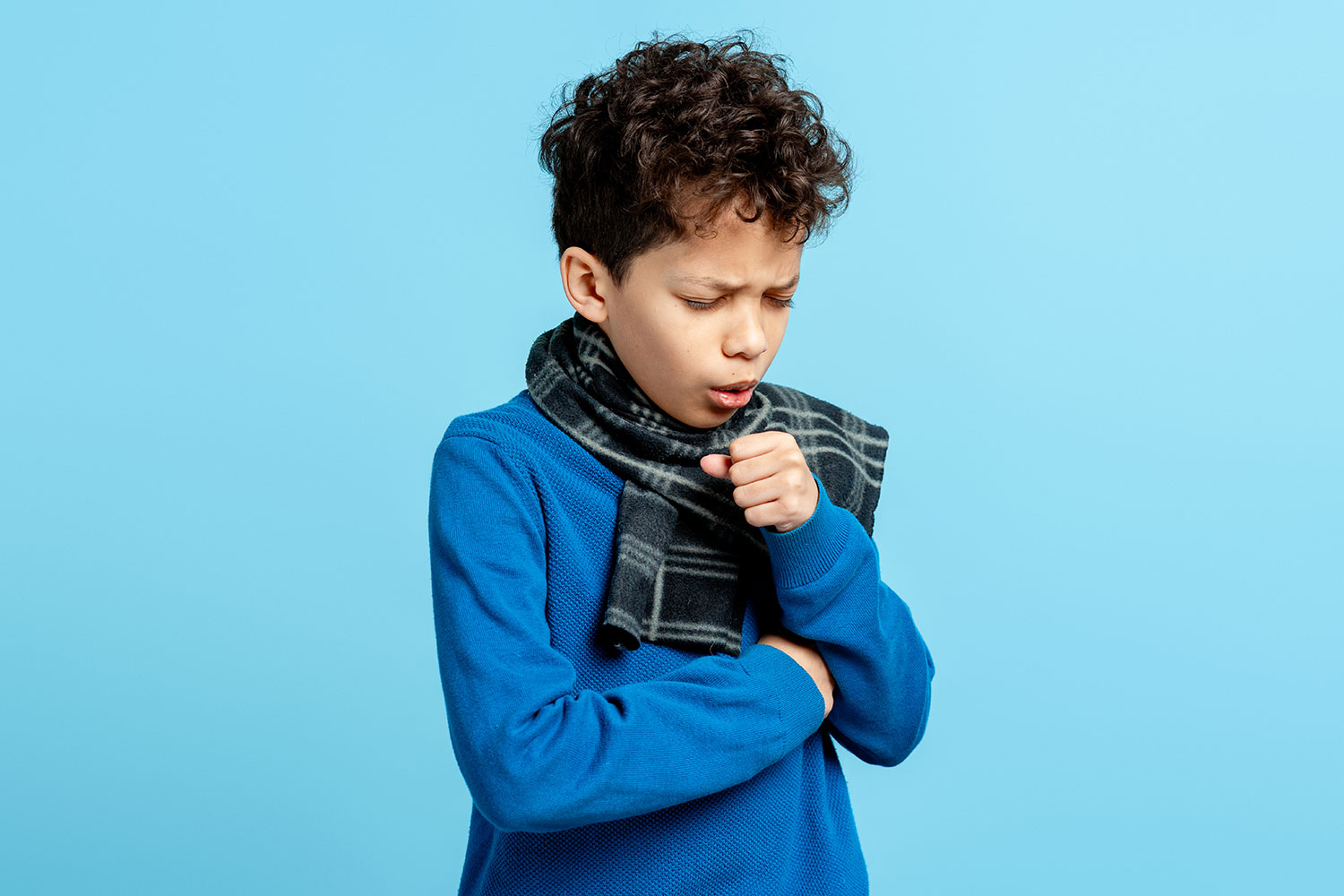
Wheezing is usually described as a high-pitched or musical sound, often heard when breathing out. It can occur with viral infections, asthma and other conditions affecting the lower airways.
Parents understandably use the word “wheezing” to describe many different respiratory sounds, so you do not need to identify it perfectly. If your child’s breathing sounds unusual – particularly if breathing also seems labored or uncomfortable – contact your pediatrician. Children with a history of asthma should follow their established asthma action plan and contact their pediatric team if symptoms are not responding as expected.
Could a Persistent Cough Be Asthma?
Sometimes. Asthma does not always look like a dramatic wheezing attack, and in some children recurrent coughing may be one of the most noticeable symptoms.
Coughing that repeatedly occurs at night, during exercise, in cold air, during respiratory infections or during certain allergy seasons may be worth mentioning to your pediatrician, particularly when it is accompanied by wheezing or shortness of breath. One prolonged cough does not automatically mean a child has asthma, but recurring patterns over time can be very useful in determining whether further evaluation is needed.
When a Cough Starts Suddenly
A cough that begins abruptly while a young child is eating or playing with a small object deserves special attention because children can accidentally inhale food or another object into the airway.
If your child suddenly begins choking or cannot breathe, speak or cry effectively, this is an emergency. Even if the initial episode passes, a persistent unexplained cough following a choking event should be discussed with a healthcare provider because an inhaled object can occasionally remain in the airway after a child appears to recover.
Can I Treat My Child’s Cough at Home?
For an uncomplicated viral cough in a child who is breathing comfortably and otherwise doing well, supportive care is often all that is needed. Fluids, rest and appropriate management of nasal congestion can help, while a cool-mist humidifier may make dry air more comfortable. Children should also be kept away from tobacco smoke, vaping aerosols and other airway irritants.
For children over age 1, honey may help soothe a cough, particularly before bedtime. Honey should never be given to babies younger than 12 months because of the risk of infant botulism.
Over-the-counter cough and cold medicines are generally not recommended for young children unless specifically advised by a healthcare provider. These medications often provide limited benefit and can cause unwanted side effects, so ask your pediatrician before giving a cough or cold product if you are uncertain.
Does a Child With a Cough Need Antibiotics?
Usually not. Most childhood coughs are caused by viruses, and antibiotics do not treat viral infections.
Antibiotics may be appropriate when a pediatrician identifies a bacterial infection that benefits from them, but the presence of a cough itself does not mean antibiotics are necessary. Avoiding unnecessary antibiotics also protects children from medication side effects and helps reduce antibiotic resistance.

When Is a Cough an Emergency?
Seek immediate medical attention if your child has severe trouble breathing, blue or gray coloration, an inability to speak or cry normally because of shortness of breath, pauses in breathing, severe lethargy, loss of consciousness or a choking episode with an obstructed airway.
Parents know their children well, too. If your child simply looks dangerously ill to you, take that concern seriously. When symptoms appear life-threatening, call 911 or seek emergency care rather than waiting for a pediatric office appointment.
Look at the Child, Not Just the Cough
One of the most useful principles in pediatrics is to look at the whole child rather than one isolated symptom. A loud cough in a laughing child running around the living room may be less concerning than a mild cough in a child who is struggling to breathe, refusing fluids and barely interacting.
At Partners In Pediatrics, our Whole Child Health approach means considering the complete picture – symptoms, breathing, hydration, energy, sleep, medical history and how your child is functioning overall. If something about your child’s cough does not feel right, you do not need to diagnose the cause yourself. Your pediatric team can help you determine what comes next.
Sick-Child Care at Partners In Pediatrics
Respiratory illnesses are among the most common reasons children need medical care, particularly during Denver’s fall and winter months. Partners In Pediatrics offers sick-child care for established families at our Denver and Englewood offices.
If your child develops a concerning cough, fever, wheezing or other respiratory symptoms, contact PIP so our team can help determine the appropriate next step. Sometimes that means an office visit, while other times supportive care and careful observation at home may be appropriate. The important thing is knowing when you need help – and knowing where to turn when you do.
Frequently Asked Questions About Coughs in Children
How long is too long for a child to have a cough?
Many coughs caused by viral respiratory infections last longer than parents expect and may continue after other cold symptoms improve. Contact your pediatrician if the cough persists for several weeks, is worsening rather than improving, repeatedly disrupts sleep or activity, or is accompanied by other concerning symptoms.
Should I take my child to the pediatrician for a cough with no fever?
Not every cough requires an office visit. If your child is breathing comfortably, drinking normally and behaving reasonably well, observation may be appropriate. Call your pediatrician if the cough is severe, persistent, worsening or accompanied by wheezing, breathing difficulty or another symptom that concerns you.
When should I worry about my child coughing at night?
Occasional nighttime coughing is common during colds. Talk with your pediatrician if nighttime coughing occurs frequently, repeatedly disrupts sleep, happens when your child is otherwise healthy or is associated with wheezing or shortness of breath.
How do I know if my child is having trouble breathing?
Watch for unusually fast breathing, the ribs or neck pulling inward with breaths, nostril flaring, difficulty talking or feeding, persistent wheezing or noisy breathing, blue or gray coloration, or difficulty catching the breath. Significant breathing difficulty requires urgent medical attention.
Can dry Denver air make a child’s cough worse?
Dry air can irritate the nose, throat and airways and may make an existing respiratory illness feel more uncomfortable. Hydration and appropriate humidification may help some children, although persistent or concerning coughing should still be evaluated based on the full clinical picture.
Can my child go to school with a cough?
A mild lingering cough does not automatically mean a child must stay home. Consider whether your child has fever, significant fatigue, breathing difficulty, vomiting or other symptoms and whether they feel well enough to participate comfortably in school. School and childcare policies can vary as well.
Should I give my child cough medicine?
Over-the-counter cough and cold medications are generally not recommended for young children unless a healthcare provider specifically advises their use. Honey may help soothe coughing in children older than 1 year but should never be given to infants under 12 months.