


It’s one of the classic school-morning dilemmas: your child wakes up with a stuffy nose and a cough, says they feel “kind of sick,” and you have approximately seven minutes to decide whether this is a legitimate stay-home day or whether your perfectly functional child has discovered that Tuesdays are optional.
For Denver families, these decisions become particularly common once school is back in session and respiratory viruses begin making their annual tour through classrooms, sports teams and households. Sometimes the answer is obvious. A child with a significant fever who spent the night vomiting should stay home. Other situations are much less clear.
Can a child go to school with a cough? What about a runny nose? How long should they stay home after a fever? Does pink eye automatically mean no school?
A useful way to approach the decision is to consider three basic questions: How sick is your child? Can they reasonably participate in a normal school day? And is there an illness or symptom that requires them to stay away from others?
The Most Useful Question: Can Your Child Participate Normally?
A child does not have to feel absolutely perfect to attend school. If every runny nose required a week at home, many elementary schools would be nearly empty from October through March.
At the same time, a child who is exhausted, miserable, repeatedly falling asleep, unable to eat or drink normally, or requiring considerably more care than a classroom can reasonably provide probably belongs at home. Children benefit from school, but they also benefit from rest when their bodies genuinely need it.
The goal is not perfect attendance or maximum caution. It is making a practical decision based on your child’s health, ability to function and the people around them.
When Should a Child Stay Home With a Fever?
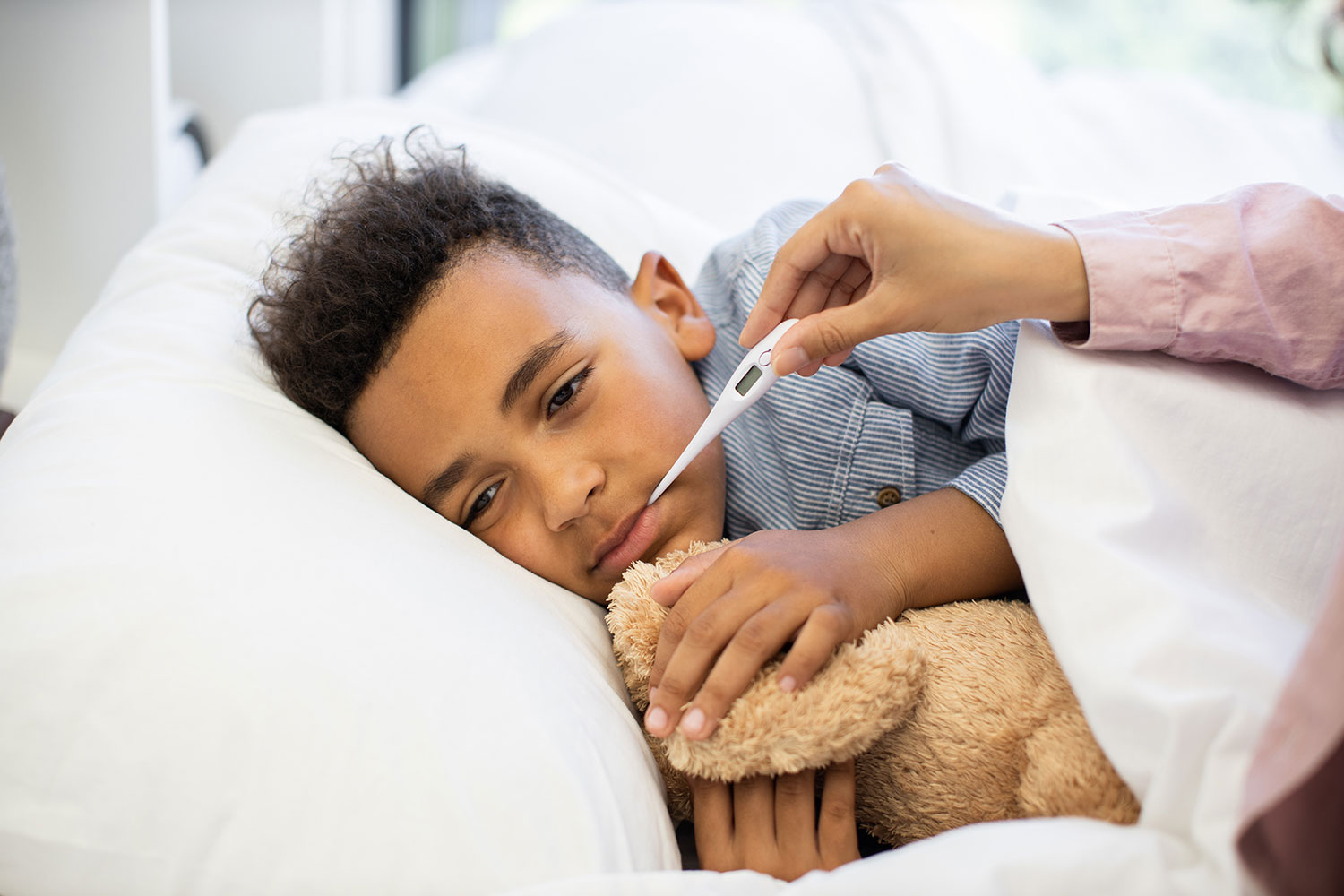
A child with a fever generally should stay home from school. Fever is often a sign that the immune system is actively responding to an infection, and children with fever frequently feel tired, achy or otherwise unable to participate comfortably.
A commonly used guideline is for children to remain home until they have been fever-free for at least 24 hours without fever-reducing medication and are otherwise improving. Do not use acetaminophen or ibuprofen simply to lower a fever enough to send a child to school. If the medication wears off during class and the fever returns, your child is still sick – and you may simply receive a phone call from school a few hours later.
Schools and childcare centers can have their own return-to-school policies, so parents should also check their program’s requirements.
Can My Child Go to School With a Cold?
Often, yes. A mild runny nose, occasional cough or minor congestion does not necessarily require staying home, particularly if your child has no fever and otherwise feels well.
Consider the bigger picture. Is your child comfortable? Are they eating and drinking normally? Do they have enough energy to get through the school day? Can they manage their own tissues and hygiene reasonably well? Is the cough mild enough that it will not prevent them – or everyone sitting near them – from functioning?
If the answer is generally yes, school may be reasonable. If your child is coughing constantly, clearly feels miserable or needs frequent attention because of their symptoms, another recovery day at home may make more sense.
What If My Child Has a Cough?
A cough by itself does not automatically mean a child is too sick for school. Coughs can linger after respiratory infections, sometimes long after the child otherwise feels well.
A mild lingering cough in a child who is energetic, fever-free and breathing comfortably may not interfere with school attendance. A cough accompanied by fever, breathing difficulty, wheezing, significant fatigue or a worsening illness deserves more attention and may warrant a call to your pediatrician. If your child appears to be struggling to breathe, seek medical care rather than sending them to school.
When Should a Child Stay Home After Vomiting?
A child who is actively vomiting should stay home. In addition to the possibility of spreading an infection, vomiting can quickly contribute to dehydration and makes normal participation in school unrealistic.
Before returning, children should be able to keep fluids and food down appropriately and should feel well enough for normal activities. Many schools also require a period without vomiting before allowing children to return, commonly around 24 hours, although policies vary.
If vomiting continues, your child cannot keep liquids down, urination decreases significantly, or your child becomes unusually sleepy or weak, contact your pediatrician.
What About Diarrhea?
Significant diarrhea is also a good reason to stay home. Frequent watery stools can cause dehydration, may be difficult for younger children to manage independently and can spread infectious illness.
A child should generally remain home until diarrhea has substantially improved and they can participate normally without repeated urgent bathroom trips or accidents. Individual school and childcare policies may have additional requirements.
Parents should watch hydration carefully and contact the pediatrician if diarrhea is severe or persistent, contains blood, is associated with significant abdominal pain or is accompanied by signs of dehydration.
Can a Child Go to School With a Sore Throat?
It depends on the cause and how your child feels. A mild sore throat commonly accompanies viral respiratory infections and may not require staying home if your child is otherwise doing well.
A more severe sore throat – particularly one accompanied by fever, swollen glands, headache or difficulty swallowing – may warrant evaluation for strep throat or another infection. If your child is diagnosed with strep, follow your pediatrician’s treatment recommendations and your school’s return policy before sending them back.
What About Pink Eye?
Pink eye is a good example of why blanket school-exclusion rules can become confusing. Red or irritated eyes can result from viral infections, bacteria, allergies or simple irritation, and not every red eye requires antibiotics or prolonged time away from school.
If your child has significant eye discharge, pain, swelling, light sensitivity or other concerning symptoms, contact your pediatrician. If conjunctivitis is diagnosed, ask your pediatrician and school about return requirements because policies can vary.
Should a Child With a Rash Stay Home?
A rash does not automatically mean a child is contagious. Rashes can accompany viral illnesses, allergies, eczema, insect bites, contact irritation and many other conditions.
What matters most is what is causing the rash and whether your child has other symptoms. A child with a new unexplained rash plus fever or significant illness should generally be evaluated rather than sent to school. Seek prompt medical attention for a rash associated with trouble breathing, facial swelling, severe illness or rapidly worsening symptoms.
If you are unsure what a new rash represents, contacting your pediatrician for guidance is usually more useful than trying to diagnose it from appearance alone.
What If My Child Is Just Really Tired?
Fatigue matters. A child may technically have no fever and still be too sick for school.
If your child spent the night coughing, slept poorly and can barely keep their eyes open at breakfast, forcing them through a full school day may not benefit anyone. Illness creates additional demands on the body, and adequate sleep, hydration and rest can support recovery.
At the same time, occasional morning resistance does not necessarily mean illness. Parents usually know the difference between a child who simply does not feel like going to school and one whose normal energy has clearly disappeared. Looking at appetite, sleep, behavior and overall function can be more useful than relying on one symptom alone.
When Can My Child Go Back to School After a Respiratory Illness?
A practical return-to-school threshold is that your child’s symptoms should be improving overall, they should have been fever-free for at least 24 hours without fever-reducing medication, and they should feel well enough to participate in a normal school day.
A leftover cough or runny nose may persist after the worst part of many respiratory illnesses has passed, so waiting until every symptom has completely disappeared is often unrealistic. Once children return, encourage good handwashing, covering coughs and sneezes, avoiding shared drinks and utensils, and giving others reasonable personal space while residual symptoms continue.
Always follow any additional requirements from your child’s school or childcare program.
When Is It Time to Call the Pediatrician?
Many minor childhood illnesses can be managed at home, but contact your pediatrician when symptoms are more severe than expected, are getting worse rather than better or simply make you uncomfortable.
Breathing difficulty or wheezing, persistent or significant fever, signs of dehydration, severe sore throat or difficulty swallowing, significant ear pain, persistent vomiting or diarrhea, severe abdominal pain, an unexplained concerning rash, unusual sleepiness or weakness, or an illness that improves and then becomes significantly worse are all reasonable reasons to call.
Children with certain chronic medical conditions may need evaluation sooner, and if a child appears seriously ill or has severe trouble breathing, seek emergency care.
How to Make the Morning Decision Easier
When you are staring at your child at 6:45 a.m. trying to decide whether they belong at school, four questions will answer a surprising number of dilemmas: Do they have a fever? Are they well enough to participate? Can they manage their symptoms without requiring constant attention? Is there a diagnosed or suspected illness that requires temporary exclusion?
If those questions still do not give you a clear answer, your pediatric team can help. You do not need to identify the exact illness before asking for guidance.
Staying Home Is About Recovery, Too
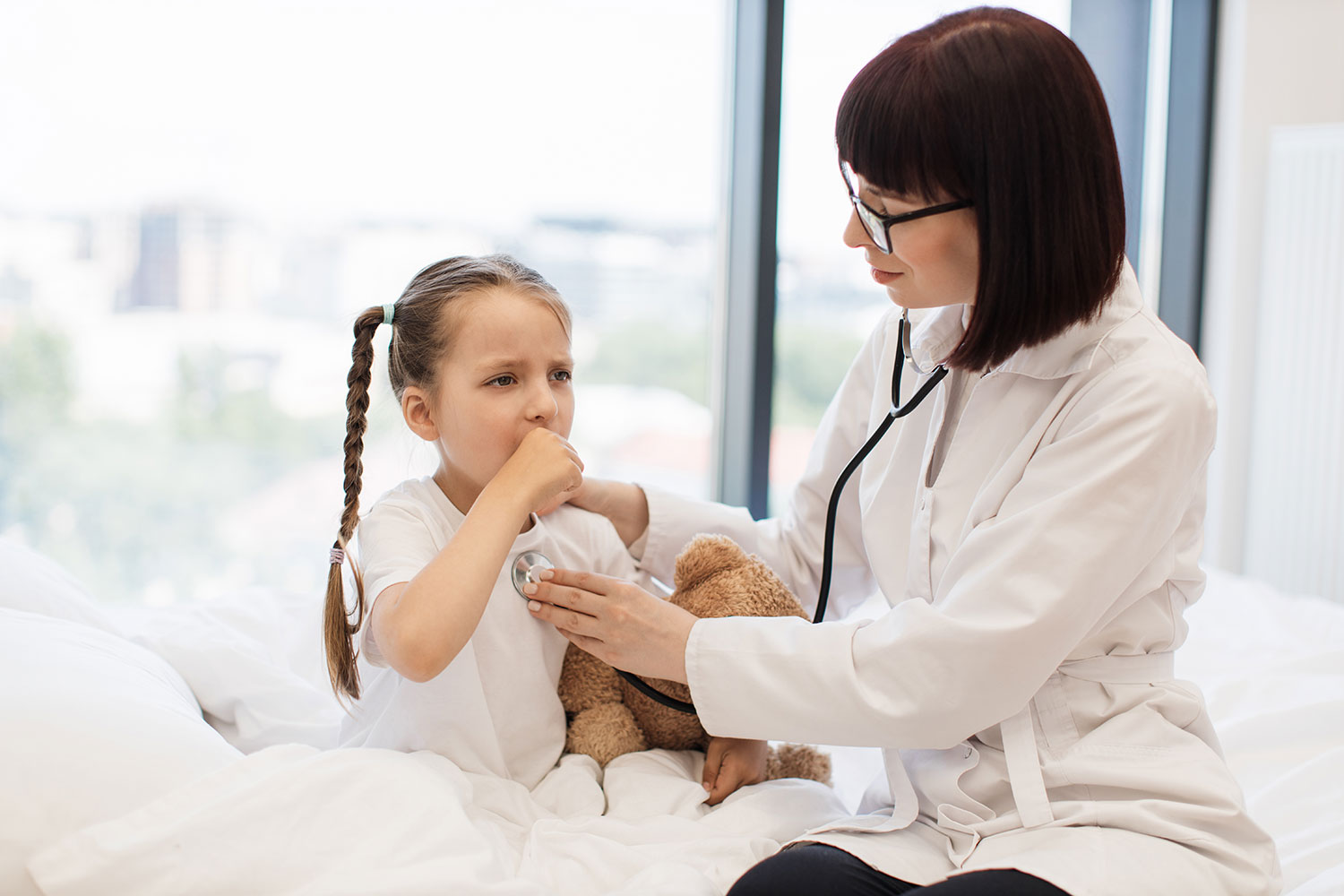
School exclusion is often discussed entirely in terms of contagion, but children sometimes need to stay home for another simple reason: they need to recover.
Children who are sick need hydration, sleep, nourishing food and time for their bodies to heal. A child who returns too quickly may simply spend the day miserable and exhausted. On the other hand, once a child has recovered enough to participate comfortably, returning to normal routines can be beneficial because school provides movement, learning, social connection and structure.
At Partners In Pediatrics, our Whole Child Health approach considers both sides of that equation. Physical recovery matters, but so do routine, relationships, emotional wellbeing and participation in everyday life. The goal is not to keep children home longer than necessary or send them back before they are ready, but to find the reasonable middle.
Helping Denver Families Through Sick Season
Once school is underway, minor illnesses become an unavoidable part of family life. Most will pass with supportive care and time, but some leave parents wondering whether their child needs to be seen.
Partners In Pediatrics offers pediatric sick care at our Denver and Englewood offices. You do not need to know exactly what your child has before calling. If something does not look or feel right, contact your pediatric team and we can help you determine what comes next.
Frequently Asked Questions About When Kids Should Stay Home From School
How long should my child stay home after a fever?
A commonly used guideline is for children to be fever-free for at least 24 hours without fever-reducing medicine and otherwise improving before returning to school. Always check your school or childcare program’s specific policy as well.
Can my child go to school with a runny nose?
Usually, a mild runny nose alone does not require staying home if your child has no fever, feels well and can participate normally. More significant illness, fatigue or other symptoms may change that decision.
Can my child go to school with a cough?
A mild lingering cough may be compatible with school if your child is fever-free, breathing comfortably and otherwise feeling well. A severe cough, breathing difficulty, wheezing or significant fatigue may warrant staying home and contacting your pediatrician.
How long should my child stay home after vomiting?
Your child should no longer be vomiting, should be able to keep fluids and food down and should feel well enough to participate in school. Many schools have a specific symptom-free period before return, commonly around 24 hours, so check your local policy.
Should my child stay home with diarrhea?
Significant or frequent diarrhea is generally a reason to stay home until symptoms have substantially improved and your child can participate normally without repeated urgent bathroom needs or accidents.
Does pink eye mean my child has to stay home?
Not always. Red eyes have several possible causes, and school-exclusion policies for conjunctivitis vary. Contact your pediatrician if your child has significant discharge, pain, swelling or other concerning symptoms, and check your school’s policy.
Should my child stay home if they are tired but do not have a fever?
Possibly. Fever is not the only measure of illness. If your child is unusually exhausted, cannot participate normally, is not eating or drinking adequately or requires substantially more care than a school environment can provide, a recovery day at home may be appropriate.
When should I call the pediatrician about a sick child?
Call when symptoms are severe, persistent or worsening, or when your child develops breathing difficulty, dehydration, significant fever, severe pain, persistent vomiting or diarrhea, or another symptom that concerns you. Parents do not need to know the diagnosis before asking for guidance.