
If you are expecting a baby this fall or winter, RSV protection is worth adding to your third trimester planning list.
Respiratory syncytial virus, better known as RSV, is extremely common. For most older children and adults, an RSV infection looks much like a cold. Newborns and young infants are different. Their smaller airways and developing immune systems can make them more vulnerable to complications such as bronchiolitis and pneumonia. RSV has historically been a leading cause of hospitalization among infants in the United States.
The encouraging news for expectant families is that we now have highly effective ways to protect babies from severe RSV disease before or shortly after birth. For the 2026-27 RSV season, families will generally encounter two options: maternal RSV vaccination during pregnancy or a long-acting RSV antibody given directly to the baby. Most babies do not need both.
For Denver-area families expecting a baby this fall or winter, understanding these options ahead of time can make those first weeks with a newborn a little simpler.
Why RSV Matters So Much for Newborns
Nearly all children encounter RSV by age two, and for most healthy children it causes a relatively mild respiratory illness. But age matters. The younger the infant, the greater the risk of severe RSV disease.
Babies born prematurely and children with certain heart, lung or immune conditions can face additional risk, but even otherwise healthy newborns can become seriously ill. Before RSV immunizations became available, the CDC estimated that RSV led to approximately 58,000 to 80,000 hospitalizations each year among U.S. children younger than five.
For expectant parents, the goal is not to eliminate every possibility of RSV infection. That would be unrealistic. Instead, the newer prevention strategies are designed primarily to reduce the likelihood that RSV becomes severe enough to require significant medical care or hospitalization.
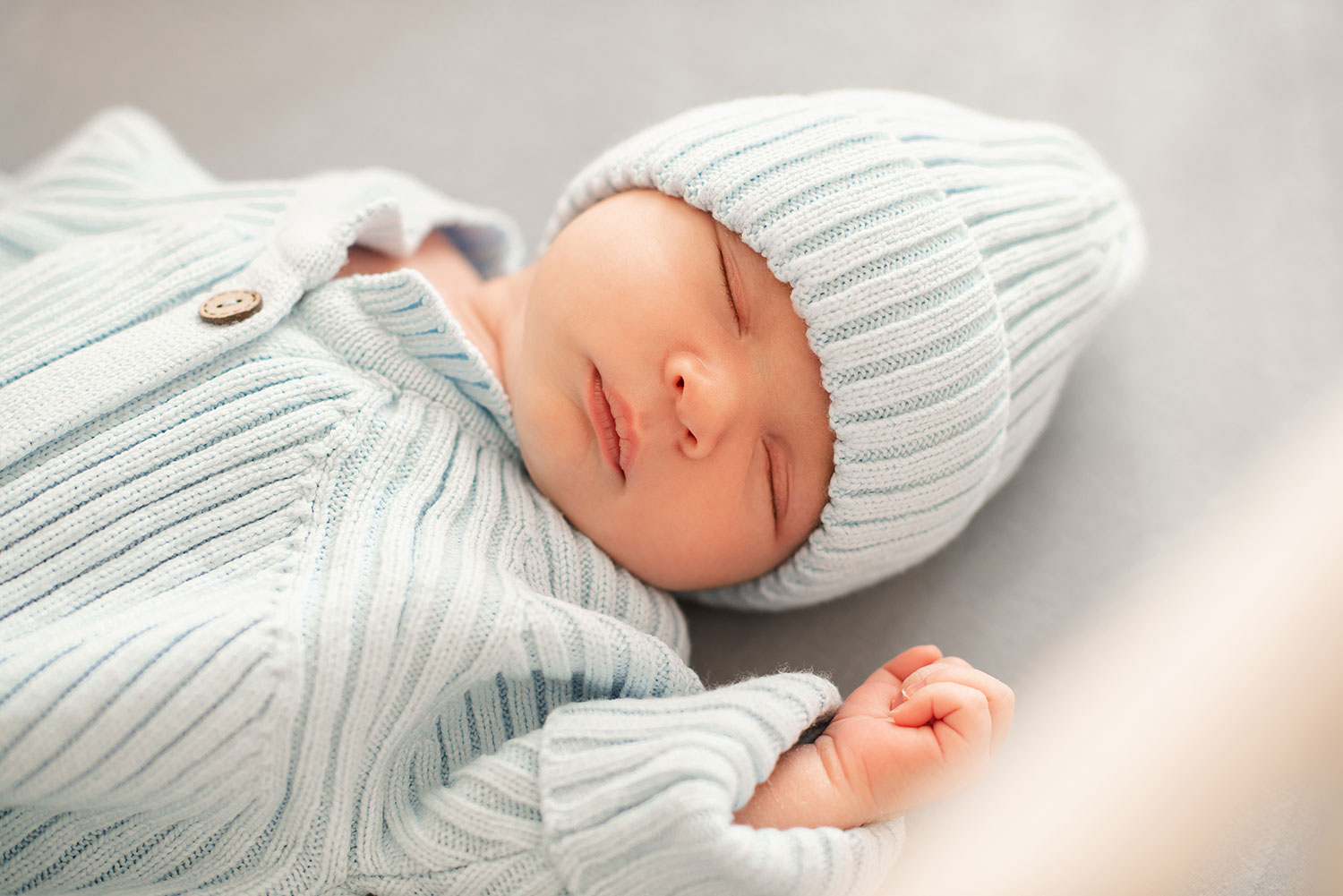
Two Ways to Protect a Baby From Severe RSV
Current recommendations provide two primary pathways for protecting infants: vaccination during pregnancy or direct antibody protection after birth.
They work differently, but both are designed to give a baby protection during the period when RSV can pose the greatest risk.
Option 1: Maternal RSV Vaccination During Pregnancy
The CDC recommends Pfizer’s Abrysvo RSV vaccine for eligible pregnant patients between 32 weeks, 0 days and 36 weeks, 6 days of pregnancy during September through January in most of the continental United States.
That timing is important. After vaccination, the pregnant parent produces antibodies against RSV and passes some of those antibodies to the baby through the placenta. The baby is then born with protection already in place.
For families in Colorado, September marks the beginning of the usual seasonal window for maternal RSV vaccination. The timing is designed so that babies born as RSV activity increases in the fall and winter have protection during their vulnerable first months of life. CDC data indicate that protection passed through maternal vaccination lasts approximately six months after birth.
One important detail: Abrysvo is currently the only RSV vaccine recommended for use during pregnancy. Other RSV vaccines available for older adults are not approved for maternal vaccination.
Expectant parents can discuss the maternal RSV vaccine with their obstetrician, midwife or other prenatal care provider as they approach the third trimester.
Option 2: RSV Antibody Protection for Your Baby
Instead of receiving maternal RSV vaccination, many babies can receive a long-acting monoclonal antibody directly.
For 2026, the AAP includes two options for eligible infants younger than eight months: nirsevimab and clesrovimab. These are sometimes casually referred to as RSV “shots,” but they are not vaccines. Rather than teaching the baby’s immune system to produce antibodies, they provide protective antibodies directly.
The protection is immediate and lasts through a typical RSV season – at least about five months according to current CDC guidance.
An infant RSV antibody is generally recommended for babies younger than eight months who are born during or entering their first RSV season when:
- the mother did not receive the maternal RSV vaccine during the current pregnancy;
- the mother’s vaccination status is unknown; or
- the baby was born fewer than 14 days after maternal RSV vaccination.
For most of the continental United States, infant RSV antibodies are generally administered from October through March. Babies born during RSV season can often receive protection during their first week of life, ideally during the birth hospitalization. Babies born outside the season can receive protection shortly before RSV activity typically increases.
Does My Baby Need Both?
Usually, no.
For most infants, current recommendations call for either maternal RSV vaccination during pregnancy or infant RSV antibody protection, rather than both.
There are exceptions. For example, if a baby is born within 14 days after maternal vaccination, there may not have been enough time for adequate antibodies to develop and pass through the placenta, so infant antibody protection is recommended.
This is one reason it is helpful to discuss RSV protection before delivery and then make sure your baby’s pediatrician knows whether and when maternal vaccination occurred.
What About Babies Entering Their Second RSV Season?
For most healthy children, RSV antibody protection is focused on the first RSV season.
Some children between 8 and 19 months old who have an increased risk for severe RSV disease may also be candidates for nirsevimab during their second RSV season. Current AAP guidance includes certain children with chronic lung disease of prematurity, severe immunocompromise, severe cystic fibrosis, and American Indian or Alaska Native children. Clesrovimab is currently used for first-season protection in younger infants and is not recommended for children 8 months and older.
Your pediatrician can help determine whether second season protection applies to your child.
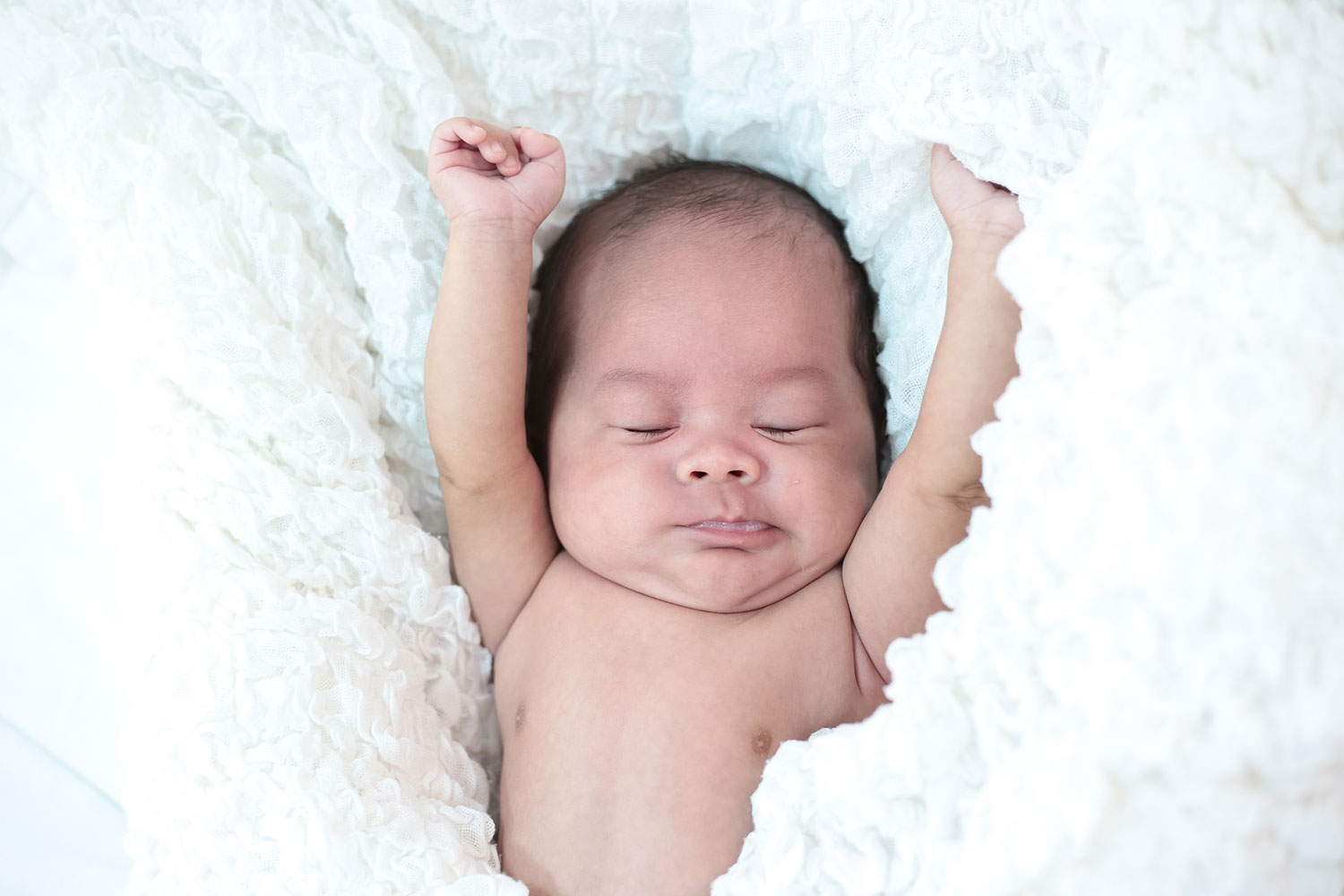
Everyday Ways to Reduce RSV Exposure
Immunization provides important protection against severe disease, but familiar respiratory-health habits still matter – especially when there is a newborn in the house.
RSV can spread through coughs and sneezes, close physical contact and contaminated hands or surfaces. Washing hands regularly, covering coughs and sneezes, cleaning frequently touched surfaces and avoiding close contact with people who are actively sick can all help reduce transmission. Improving indoor air circulation and asking sick friends or relatives to postpone newborn visits are also reasonable ways to protect a very young baby during respiratory virus season.
This does not mean families need to spend the winter frightened of every visitor or outing. Whole Child Health includes protecting a baby’s physical health while also supporting connection, family life and parental wellbeing. Simple, consistent precautions are generally more sustainable than trying to create a perfectly germ-free environment.
What Does RSV Look Like in a Baby?
RSV often begins with symptoms that resemble an ordinary cold, including congestion, runny nose, cough, decreased appetite, fussiness and sometimes fever.
When RSV affects the smaller airways in the lungs, babies may develop bronchiolitis. Parents may notice faster breathing, wheezing, nostril flaring, grunting or the skin pulling inward around the ribs or base of the neck with each breath.
Young babies can sometimes show less typical symptoms, so parents should pay attention not only to coughing but also to feeding, breathing, hydration, alertness and overall behavior.
When Should I Call the Pediatrician?
Contact your pediatrician promptly if your baby is having trouble breathing, is not drinking enough, is showing signs of dehydration, is becoming significantly less active or alert, or seems to be getting worse rather than better. Difficulty breathing, pauses in breathing, or pale, gray or blue coloring of the lips, skin or nail beds require prompt medical attention in a pediatric ER.
A rectal temperature of 100.4°F or higher in a baby two months and younger also warrants an immediate visit to a pediatric ER.
Parents know their babies well. If something simply does not look or feel right, it is always appropriate to call.
Planning Ahead for RSV Season in Denver
One of the nicest things about the newer RSV prevention options is that parents can make a plan before the exhaustion and excitement of the newborn period begin.
If you are currently pregnant, talk with your prenatal provider about whether maternal RSV vaccination makes sense for you and when it should be given. If you choose not to receive maternal vaccination, are outside the recommended vaccination window, or your baby will otherwise qualify for infant protection, talk with your pediatrician about nirsevimab or clesrovimab and appropriate timing.
At Partners in Pediatrics, we believe prevention works best when families understand their options and feel comfortable asking questions. Our Whole Child Health approach is designed to support not only a baby’s immediate medical needs, but the confidence and wellbeing of the entire family.
If you are expecting a baby in the Denver area, you do not have to wait until after delivery to begin thinking about pediatric care. Learning about your pediatric practice, newborn care and seasonal health considerations ahead of time can help those first days at home feel much more manageable.
Frequently Asked Questions About RSV Protection for Newborns
What is the RSV vaccine recommended during pregnancy?
The maternal RSV vaccine is Pfizer’s Abrysvo. CDC recommends it for eligible pregnant patients between 32 weeks, 0 days and 36 weeks, 6 days of pregnancy during September through January in most of the continental United States. The antibodies produced by the pregnant parent cross the placenta and help protect the baby after birth.
When should I get the RSV vaccine while pregnant?
For most people in Colorado and the continental United States, the recommended window is 32 through 36 weeks of pregnancy between September and January. Your prenatal provider can help determine the appropriate timing based on your due date and medical history.
What are nirsevimab and clesrovimab?
Nirsevimab and clesrovimab are long-acting monoclonal antibodies that provide babies with direct protection against severe RSV disease. They are not vaccines. Both are options for eligible infants younger than eight months during their first RSV season.
Does my baby need an RSV antibody if I received the vaccine during pregnancy?
Usually not. Most babies need either maternal RSV vaccination or infant antibody protection, not both. Infant antibody protection may still be recommended in certain situations, including when the baby is born fewer than 14 days after maternal vaccination.
What if I received an RSV vaccine during a previous pregnancy?
Current CDC guidance does not recommend another maternal RSV dose during a subsequent pregnancy if you previously received one. Instead, the new baby should receive infant RSV antibody protection during the appropriate season.
When do babies receive RSV antibody protection?
In most of the continental United States, infant RSV antibodies are generally given from October through March. Babies born during RSV season may receive the antibody shortly after birth. Babies born in spring or summer who will be younger than eight months entering RSV season can typically receive it shortly before the season begins.
Is RSV dangerous for healthy newborns?
Most RSV infections are mild, but young age itself is a risk factor for severe disease. Healthy newborns can develop bronchiolitis, pneumonia or breathing and feeding difficulties, which is why preventing severe RSV disease during the first months of life is an important pediatric priority.
Should I choose maternal RSV vaccination or infant antibody protection?
Both approaches can protect babies from severe RSV. The best choice may depend on pregnancy timing, your baby’s expected birth date, whether maternal RSV vaccination has already been received, availability and individual medical circumstances. Discuss maternal vaccination with your prenatal provider and infant protection with your pediatrician.
Leave a Reply