


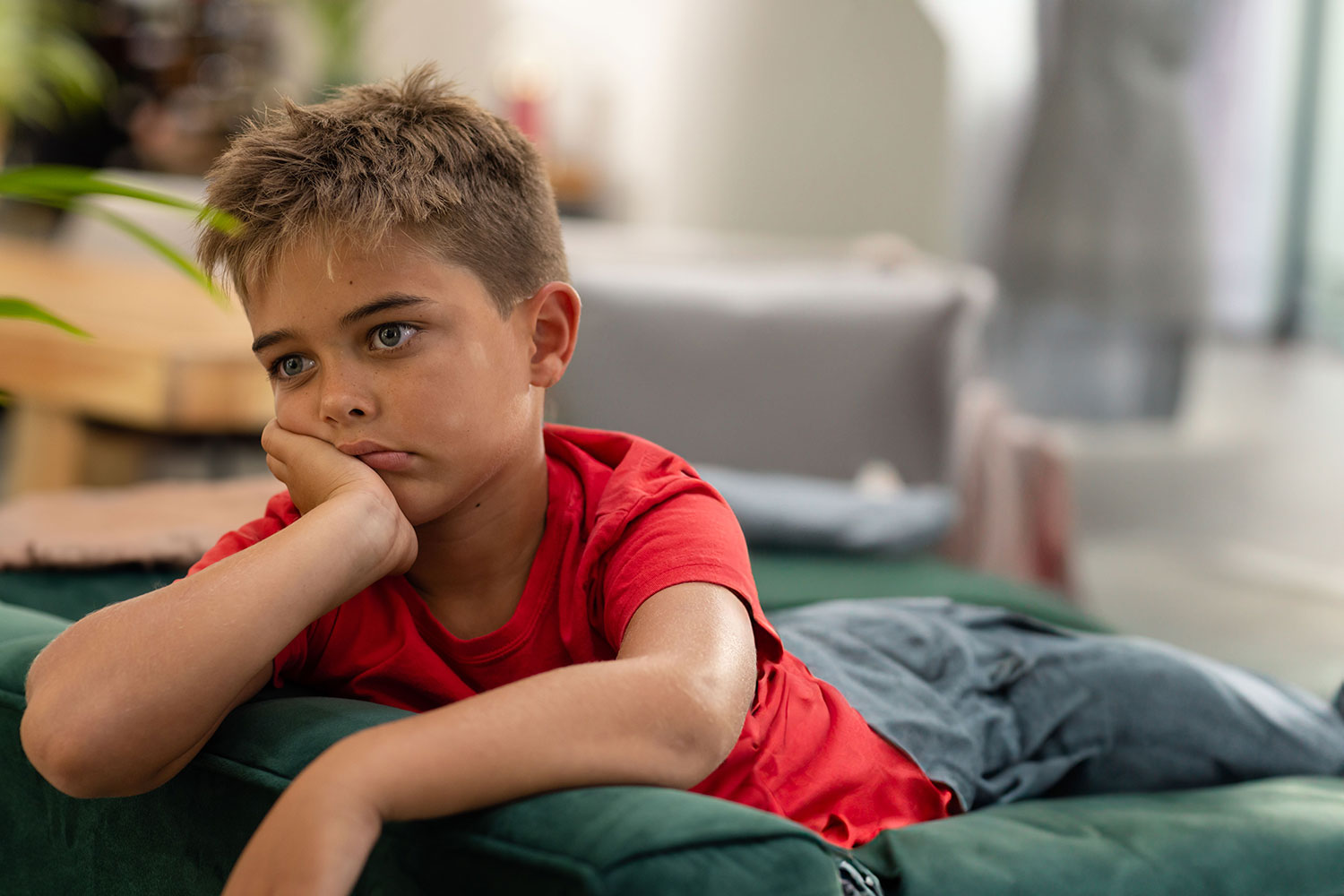
For many parents, the phrase “I’m bored!” can feel like the unofficial soundtrack of summer break.
After arranging camps, planning activities, coordinating playdates, balancing work schedules, and trying to create a fun summer for the whole family, it can be exhausting to hear children complain that there is “nothing to do.”
It is very understandable for parents to feel pressure to fix boredom quickly. We may start offering ideas, suggesting activities, turning on a show, planning another outing, or feeling guilty that we have not created enough structure.
But what if boredom is not always a problem to solve?
In today’s fast-paced, highly stimulating world, boredom may actually play an important role in healthy child development. Periods of unstructured time can help children build creativity, emotional regulation, independence, problem-solving skills, frustration tolerance, and a stronger sense of internal motivation.
At Partners in Pediatrics, we encourage families to think about boredom through a Whole Child Health lens. Boredom is not a sign that parents are failing. In many cases, it is a normal and potentially healthy part of childhood.

Modern Kids Are Surrounded by Constant Stimulation
Today’s children are growing up in a world filled with immediate entertainment.
Screens, streaming shows, short-form videos, games, notifications, social media, sports, camps, structured activities, and busy family schedules can all keep children moving quickly from one form of stimulation to the next.
Many of these things are not bad. Activities can be enriching. Technology can be useful. Camps and sports can help children grow. But when a child becomes used to constant stimulation, ordinary quiet moments can start to feel uncomfortable.
This is one reason summer boredom may feel especially intense. During the school year, children often move from one scheduled block to another. When summer creates more open space, some children do not immediately know what to do with it.
That discomfort is not necessarily harmful. Sometimes it is the beginning of something important.
Boredom Gives Creativity Room to Grow
Some of the most imaginative childhood play begins after children move through the first wave of boredom.
A child may start by complaining that there is nothing to do. But after some time, that same child may begin building a fort, drawing, making up a game, exploring the backyard, creating a story, organizing toys in a new way, or pretending an ordinary object is part of an imaginary world.
Creativity often needs space. When every moment is filled with adult-led activities or digital entertainment, children have fewer opportunities to generate ideas from within themselves.
This does not mean parents should never offer suggestions. But it does mean we do not have to rush in immediately every time a child feels bored. Sometimes children need a little time to sit with the open space before their own imagination begins to appear.
Unstructured Time Supports Emotional Development
Boredom can also help children practice emotional regulation.
This may sound surprising, because boredom often creates frustration at first. Children may whine, protest, or insist that they need something to do right away. But learning to tolerate that uncomfortable feeling is part of growing up.
Children who are always rescued from boredom may have fewer chances to practice patience, self-soothing, frustration tolerance, and flexibility. They may become more dependent on adults, screens, or structured activities to manage every quiet or uncomfortable moment.
Of course, children still need connection, guidance, and support. Healthy boredom does not mean ignoring a child’s emotional needs. It simply means allowing children to experience some normal pauses, slower moments, and mild frustration without immediately fixing it for them.
Over time, this helps children learn: “I can handle this feeling. I can come up with something. I do not need to be entertained every second.”
That is a meaningful developmental skill.
Boredom Helps Build Independence
Children grow in confidence when they discover they can create their own fun.
Unstructured time gives children the chance to make decisions, follow curiosity, try ideas, change plans, solve small problems, and explore what naturally interests them. These are important building blocks of independence.
When adults plan every moment, children may have fewer opportunities to ask themselves, “What do I want to do? What could I try? What sounds interesting to me?”
Summer can be a wonderful time to practice this. A slower morning, a quiet afternoon, or an open-ended hour outside can give children room to take initiative.
At first, they may resist. That is normal. But with practice, many children begin to rediscover their own ability to play, imagine, build, explore, and create.
Summer Is a Natural Time for Slower Rhythms
During the school year, many children live within highly structured routines. They wake up early, move through school schedules, complete homework, attend activities, and manage social and academic demands.
Summer offers something children increasingly need: downtime.
For Denver-area families, summer may include camps, sports, vacations, hikes, pool days, and travel. But it can also include slower mornings, backyard play, quiet reading, neighborhood walks, family time, and moments when nothing in particular is planned.
Children’s nervous systems often benefit from reduced stimulation. This can be especially important for highly sensitive children, children with anxiety, children with ADHD, children who are over-scheduled, or kids who seem emotionally worn out by the end of the school year.
Whole-child health includes activity and engagement, but it also includes rest and recovery.
Not Every Moment Needs to Be Productive
Modern parents often feel pressure to make childhood as enriching as possible. Educational activities, sports, lessons, camps, clubs, and enrichment programs can all be wonderful.
But children also need time that does not have an obvious purpose.
Looking out the window, lying in the grass, doodling, wandering around the backyard, stacking blocks, watching clouds, making up songs, or simply daydreaming may not look productive from the outside. But these quieter moments can support creativity, emotional processing, nervous system regulation, and cognitive flexibility.
A child does not need every moment optimized in order to thrive. Sometimes the slower moments are where children begin to process their experiences, notice their own thoughts, and discover new ideas.
Boredom and Screen Time Are Closely Connected
One reason boredom can feel harder for many children today is that digital entertainment provides instant stimulation.
YouTube, gaming, streaming shows, social media, and short-form videos can train the brain to expect quick novelty and constant input. When children step away from that level of stimulation, ordinary life may temporarily feel dull by comparison.
This does not mean screens are inherently bad. Screens can be part of modern family life, and many parents rely on them at times. But when screen time becomes the main solution to boredom, children may have fewer opportunities to develop other ways of engaging with the world.
Parents may notice that children become restless, irritable, or frustrated when screen time is reduced. Often, this is temporary. After some adjustment, many children begin settling into more creative, active, or imaginative forms of play.
The transition can be uncomfortable, but it can also be healthy.

Outdoor Play Can Help Children Move Through Boredom
One of the best ways to support healthy boredom is to give children access to open-ended outdoor play.
Outdoor environments naturally invite movement, curiosity, exploration, sensory development, and imagination. A backyard, park, trail, playground, garden, or neighborhood walk can offer more creative possibilities than parents might expect.
For Colorado families, summer is full of opportunities for outdoor exploration. Parks, hikes, bike rides, water play, nature walks, and simple backyard time can all help children reconnect with their bodies, senses, and imagination.
Children often do not need elaborate entertainment outside. They may need time, space, and permission to explore.
Parents Do Not Need to Fix Every Bored Moment
When a child says, “I’m bored,” it can help to respond calmly rather than urgently.
A parent might say:
“I wonder what you’ll come up with.”
“Boredom can feel uncomfortable at first.”
“You don’t have to be entertained every moment.”
“Sometimes boredom helps our brains find new ideas.”
This kind of response communicates confidence. It lets children know that boredom is not an emergency and that they are capable of moving through it.
Parents can also create a simple environment that supports independent play. This might include books, art supplies, blocks, outdoor toys, dress-up clothes, puzzles, music, or safe access to outdoor space. The goal is not to entertain the child constantly, but to make it easier for the child to begin engaging on their own.
Balance Still Matters
Healthy boredom is not the same as loneliness, isolation, or chronic disengagement.
Children still need emotional connection, family time, social interaction, physical activity, affection, guidance, and support. A child who seems persistently withdrawn, sad, uninterested, or disconnected may need more attention and possibly professional support.
The goal is not to leave children alone with no connection or structure. The goal is to allow healthy unstructured time within a supportive family environment.
A balanced summer can include camps and quiet days, screen time and outdoor play, family adventures and downtime, structured activities and open-ended boredom.
Whole Child Health Includes Rest, Imagination, and Downtime
In a culture that often values busyness, boredom can feel uncomfortable for both children and parents.
But childhood does not need to be constantly scheduled, entertained, or productive. Children benefit from having space to wonder, create, rest, imagine, solve problems, and learn how to be with themselves.
At Partners in Pediatrics, we believe whole-child wellness includes not only healthy activity and engagement, but also rest, creativity, emotional balance, and the freedom to explore the world in a child’s own way.
Sometimes, the most meaningful growth happens in the quiet space after a child says, “I’m bored.”
Frequently Asked Questions About Boredom and Child Development
Is boredom healthy for children?
Yes. Moderate boredom can support creativity, independence, emotional regulation, problem-solving, and frustration tolerance. Children do not need to be entertained every moment in order to thrive.
Why do kids struggle with boredom so much today?
Many children are used to constant stimulation from screens, structured activities, digital entertainment, and busy schedules. When stimulation slows down, boredom can feel uncomfortable at first.
Should parents entertain children all summer?
No. Children need connection and support, but they also benefit from learning how to engage themselves independently. A healthy summer includes both family activities and unstructured time.
Does boredom help creativity?
Yes. Many forms of imaginative play begin after children move through the initial discomfort of boredom. Open-ended time gives children room to create, explore, build, and problem-solve.
Can too much screen time make boredom worse?
In some cases, yes. Constant digital stimulation can make ordinary activities feel less rewarding for a while. When screen time decreases, children may need time to adjust before settling into other forms of play.
What are healthy alternatives to screens during summer?
Outdoor play, reading, drawing, building, music, nature exploration, sports, imaginative play, simple household projects, and family connection can all support healthy development.
When should I be concerned about my child’s boredom?
Occasional boredom is normal. Parents may want to seek support if a child seems persistently withdrawn, sad, anxious, disconnected, unable to enjoy activities, or uninterested in things they previously liked.
Leave a Reply