


If your child starts sneezing, coughing, or complaining about a sore throat in the middle of summer, it can be surprisingly hard to know what’s going on. Is it a summer cold? Seasonal allergies? Smoke irritation from wildfire season? Or something else entirely?
For many families in the Denver metro area, this confusion is incredibly common. Colorado’s dry climate, changing weather patterns, high pollen counts, and summer travel schedules can all contribute to symptoms that overlap.
At Partners in Pediatrics, we often hear from Denver parents asking the same question: “How can I tell whether my child is sick or dealing with allergies?”
The good news is that there are several key clues that can help you tell the difference.
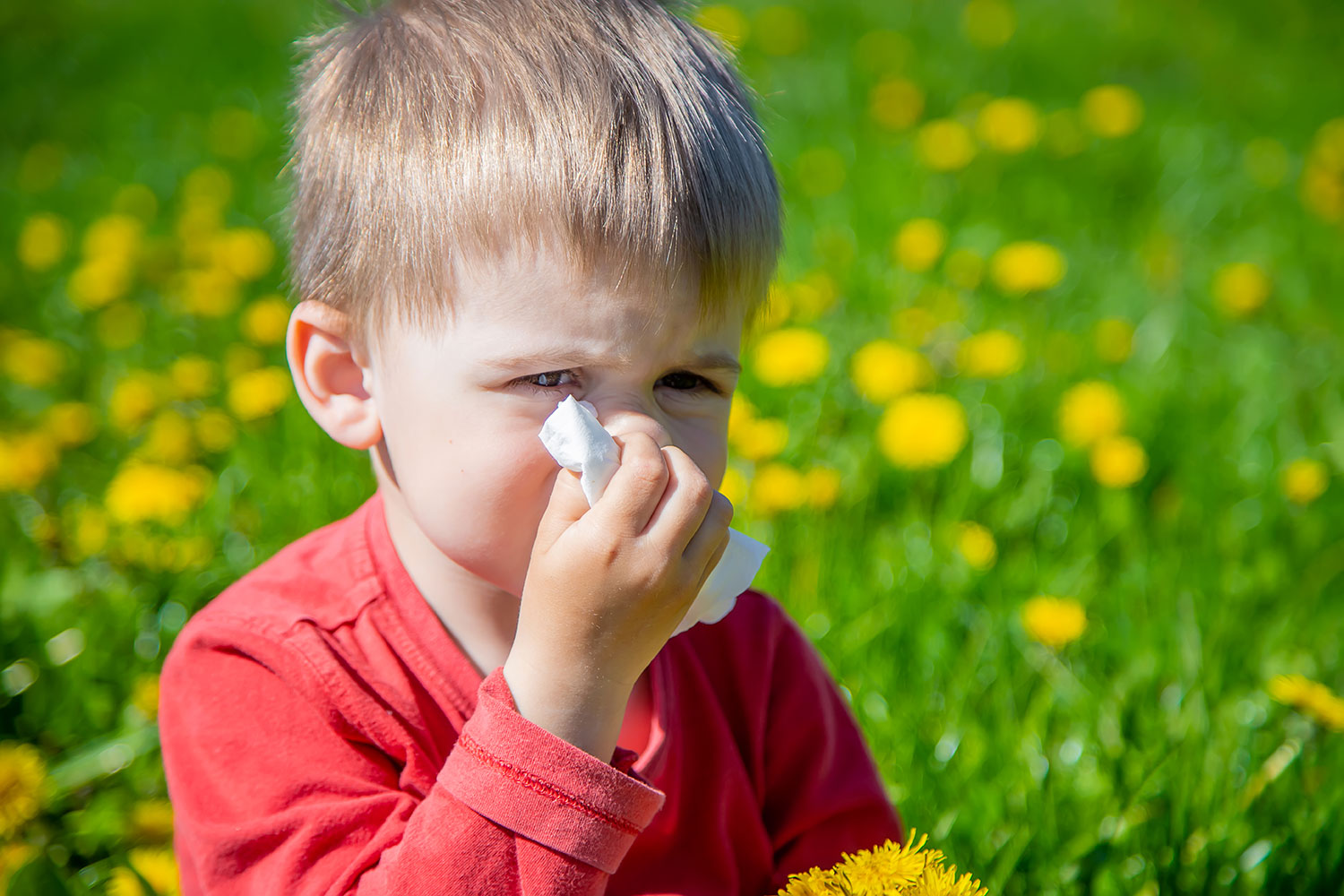
Why Seasonal Allergies Are So Common in Denver
Children living in Denver and throughout the Front Range are exposed to a unique mix of environmental triggers during the summer months, including:
- Grass pollen
- Tree pollen lingering into early summer
- Weed pollen later in the season
- Dry air
- Dust
- Wildfire smoke
- Rapid weather changes
Because Colorado has a relatively long allergy season, many children experience symptoms well beyond springtime. Summer allergies in kids are especially common in active children who spend a lot of time outdoors at parks, camps, pools, sports practices, and playgrounds.
Common Symptoms of Seasonal Allergies in Kids
Seasonal allergies tend to produce symptoms that are persistent but relatively predictable. Symptoms often come and go based on outdoor exposure or pollen counts.
Signs your child may have seasonal allergies include:
- Sneezing
- Clear runny nose
- Itchy nose
- Itchy or watery eyes
- Frequent throat clearing
- Nasal congestion
- Mild cough caused by postnasal drip
- Dark circles under the eyes
- Symptoms that worsen outdoors
- Symptoms that improve indoors or after showering
One of the biggest clues is itchiness. Allergies often cause itchy eyes, itchy nose, or itchy throat – something that is much less common with viral illnesses.
Another important clue is timing. Allergies often linger for weeks or even months, while most viral illnesses improve within two weeks.
Common Symptoms of a Summer Cold or Viral Illness
Summer colds can occur, especially when children are attending camps, traveling, swimming, or spending time in close contact with other kids.
Unlike allergies, viral illnesses tend to come on more suddenly and may include more systemic symptoms.
Signs your child may have a cold or virus include:
- Fever
- Fatigue
- Body aches
- Sore throat
- Thick or colored mucus
- Reduced appetite
- Chills
- Headache
- General feeling of being unwell
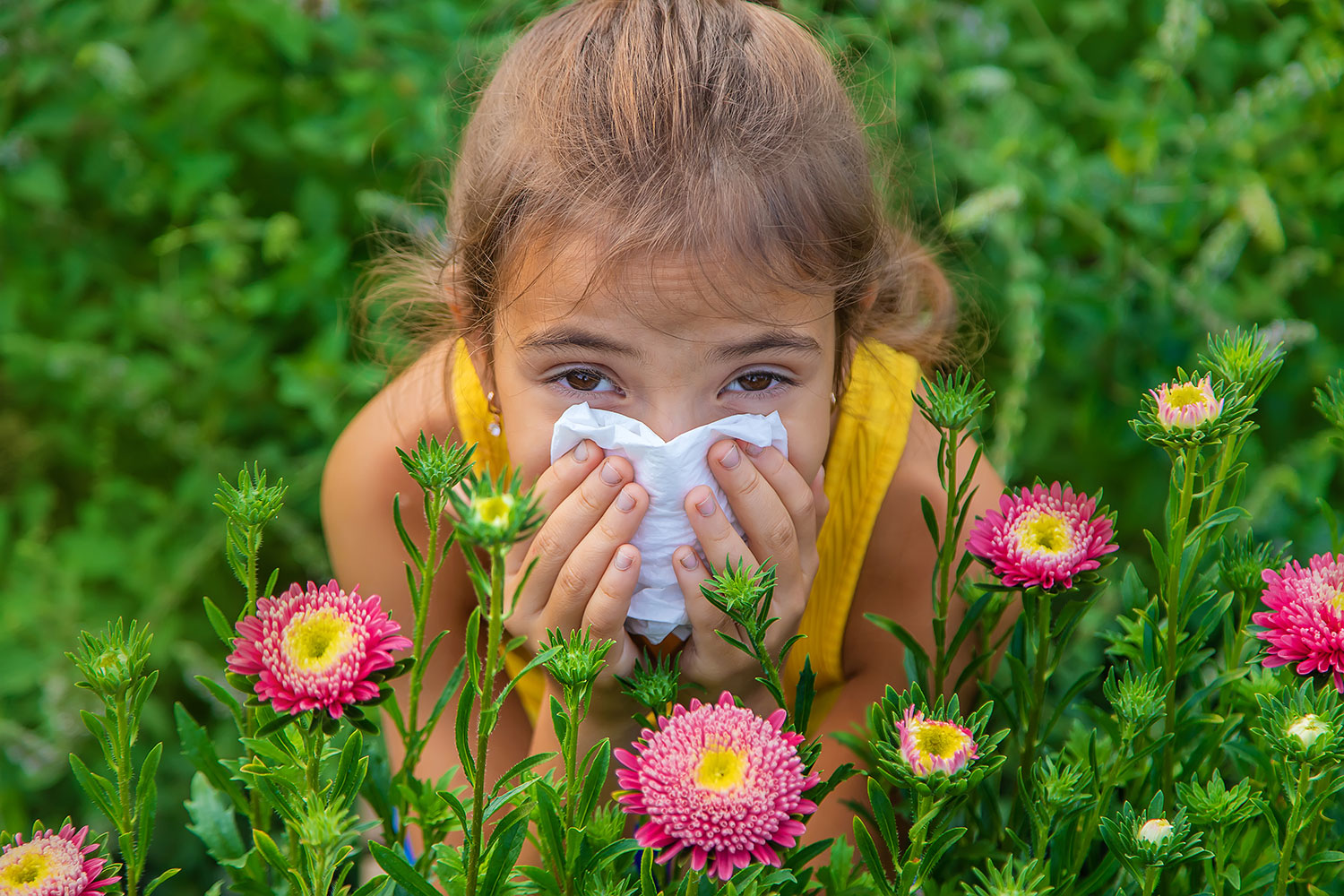
The Biggest Differences Between Allergies and Illness
Here are some of the clearest distinctions Denver parents can watch for:
Allergies Usually Cause Itching
If your child keeps rubbing their eyes or nose, allergies become much more likely.
Illness Often Causes Fever
Seasonal allergies do not cause fever. If your child has a temperature over 100.4°F, a viral illness is more likely.
Allergies Tend to Last Longer
A cold usually improves within 7 to 10 days. Allergies can continue for weeks during peak pollen season.
Symptoms Triggered by Outdoor Exposure
If symptoms worsen after playing outside, hiking, sports practice, or trips to the park, allergies may be the culprit.
What About Wildfire Smoke?
In Colorado, wildfire smoke can complicate things even further.
Smoke irritation can cause:
- Coughing
- Scratchy throat
- Watery eyes
- Congestion
- Headaches
- Mild breathing irritation
Smoke exposure can also worsen existing allergies or asthma symptoms.
If air quality is poor in the Denver area, limiting outdoor activity and using indoor air filtration may help sensitive children feel better.
Could It Be COVID-19 or Another Respiratory Virus?
Some respiratory viruses can closely resemble allergies, especially early on.
If your child develops:
- Fever
- Significant fatigue
- New persistent cough
- Vomiting
- Diarrhea
- Sudden worsening symptoms
…it’s important to consider the possibility of a contagious illness.
When in doubt, it’s always reasonable to check in with your pediatrician – especially if your child has asthma, breathing concerns, or underlying medical conditions.
How Parents Can Help Children with Seasonal Allergies
If allergies seem likely, there are several things families can do at home to reduce symptoms:
- Shower after outdoor play
- Change clothes after sports or camp
- Keep windows closed during high pollen days
- Use air conditioning when possible
- Wash bedding regularly
- Consider saline nasal rinses or sprays
- Talk with your pediatrician about safe allergy medications for children
For many Denver families, managing allergies successfully involves reducing overall pollen exposure while helping calm inflammation.
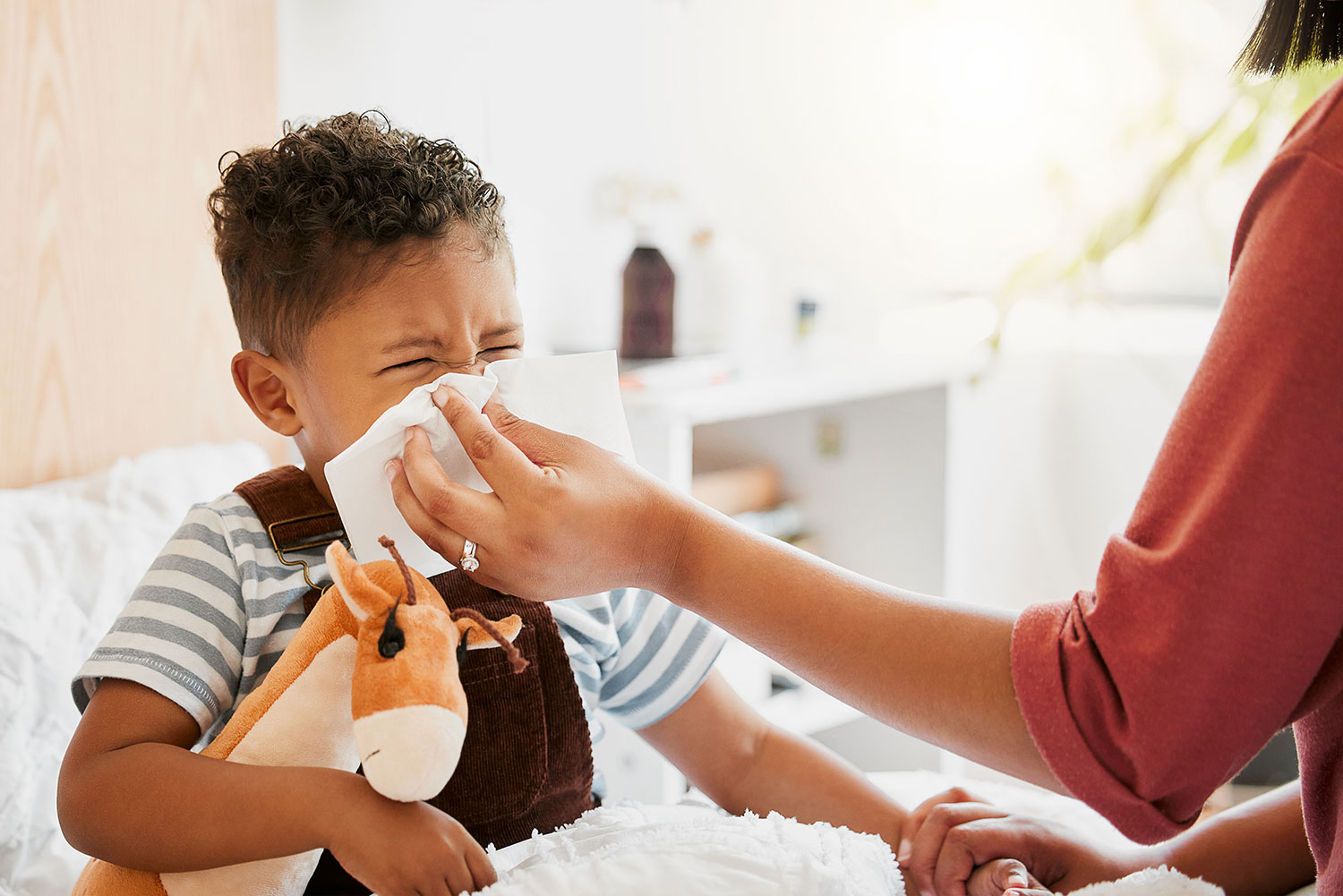
When to Call Your Pediatrician
You should contact your child’s pediatrician if your child has:
- Difficulty breathing
- Wheezing
- High fever
- Ear pain
- Symptoms lasting longer than expected
- Severe sinus pressure
- Dehydration
- Persistent cough
- Symptoms interfering with sleep or daily activities
It’s also important to reach out if you simply aren’t sure what’s going on. Sometimes allergies and viral illnesses can occur at the same time, making symptoms more confusing.
At Partners in Pediatrics, our Denver pediatric team partners with families to help children feel better and stay healthy throughout every season – including Colorado’s unpredictable summers.
Frequently Asked Questions About Seasonal Allergies in Kids
Can allergies make kids tired?
Yes. Poor sleep from congestion and ongoing inflammation can leave children feeling tired or irritable.
Can seasonal allergies cause cough?
Yes. Postnasal drip from allergies commonly causes coughing, especially at night.
Do allergies cause green mucus?
Usually not. Clear mucus is more common with allergies, though mucus can occasionally thicken over time.
Can kids suddenly develop allergies?
Absolutely. Children can develop seasonal allergies at many different ages, even if they never had symptoms before.
Are summer allergies common in Denver?
Very common. Grass pollen, dry air, dust, and wildfire smoke all contribute to summer allergy symptoms in Colorado children.
Our Partners in Pediatrics team is here to help support your child’s health this summer, we can help your family navigate everything from seasonal allergies to summer illnesses and whole child wellness.