


Colorado winters are full of opportunity for children to stay active and engaged – from backyard snow play and sledding to skiing, hockey, and indoor sports. At the same time, winter weather at high altitude brings unique health and safety risks for kids. Families in the Denver metro area and surrounding communities need to balance adventure with preparation.
At Partners In Pediatrics, we take a whole-child health approach to winter safety, helping families support physical wellness, injury prevention, and resilience during the coldest months of the year. Here is a comprehensive guide to keeping children safe, healthy, and active all winter long in Colorado.
Dressing for Colorado’s Cold and Rapidly Changing Weather
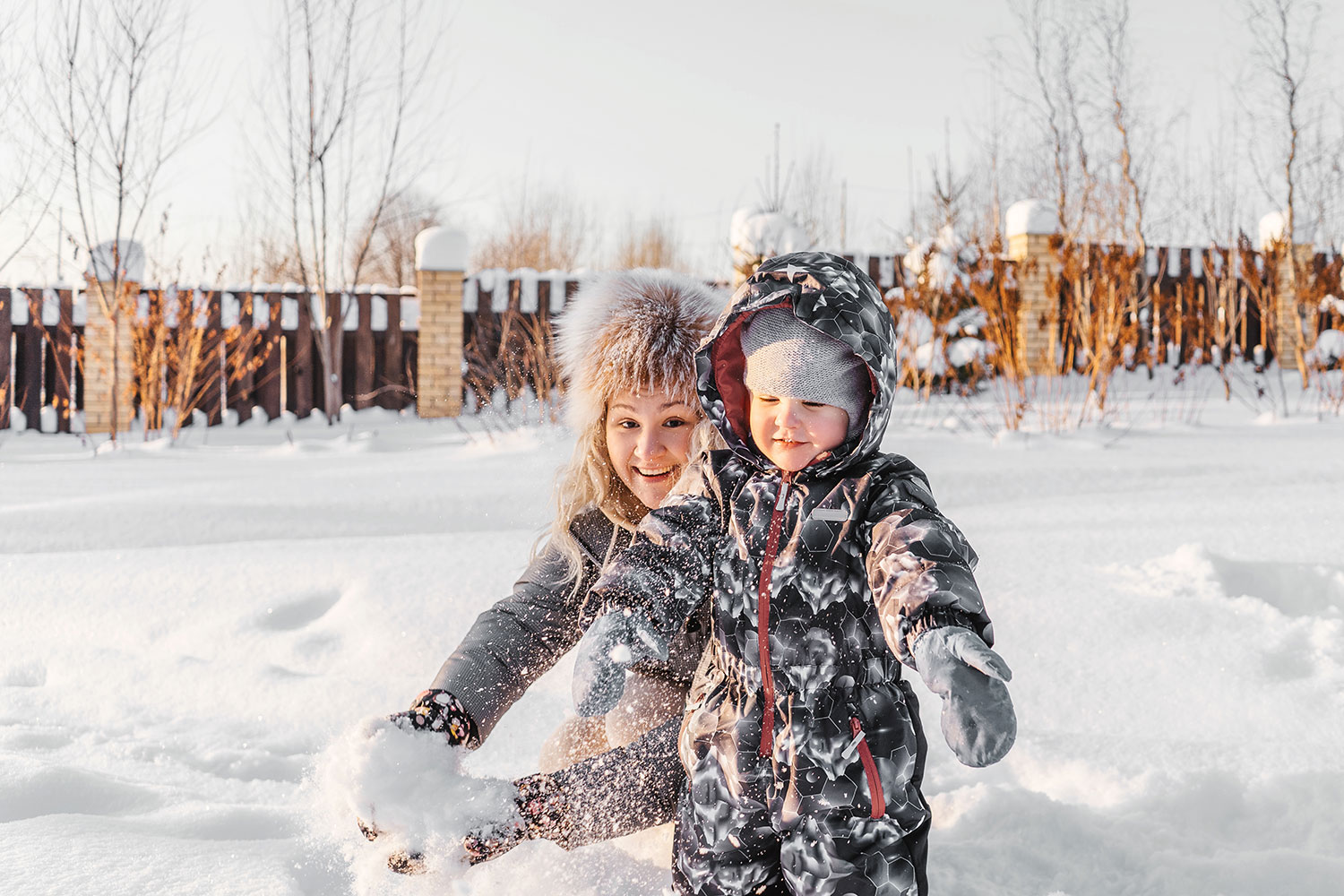
Layering is essential for winter safety in Colorado. Temperatures can change quickly, and children’s bodies lose heat faster than adults.
Start with a moisture-wicking base layer to keep sweat off the skin. Add an insulating middle layer such as fleece or wool. Finish with a waterproof and wind-resistant outer layer to protect against snow and wind chill.
Hands, feet, ears, and faces are especially vulnerable to cold exposure. Waterproof mittens or gloves, insulated boots with dry socks, well-fitted hats, and face coverings help significantly reduce frostbite risk.
For infants and toddlers, bulky winter coats should never be used in car seats. Harnesses must fit snugly against the child’s body. Once buckled properly, warmth can be added with blankets placed over the straps.
This type of cold-weather preparation directly supports whole-child health by protecting circulation, skin integrity, and energy regulation.
Skiing and Snowboarding Safety for Colorado Kids
Skiing and snowboarding are major parts of winter life for many Colorado families. Whether your child is new to the slopes or an experienced skier, safety fundamentals matter at every age.
All children should wear properly fitted, snow sport-specific helmets every time they ski or snowboard. Helmet use greatly reduces the risk of serious head injuries.
Professional instruction is strongly recommended, especially for beginners. Lessons teach children how to fall safely, control speed, follow trail etiquette, and avoid collisions.
Equipment should always be professionally fitted and adjusted. Incorrect bindings, oversized skis, or poorly fitted boots can increase the risk of knee injuries, fractures, and falls.
Hydration and rest are equally important at high altitude. Children often become fatigued faster on the mountain than parents expect. Taking frequent breaks indoors and drinking water regularly helps prevent dehydration and exhaustion.
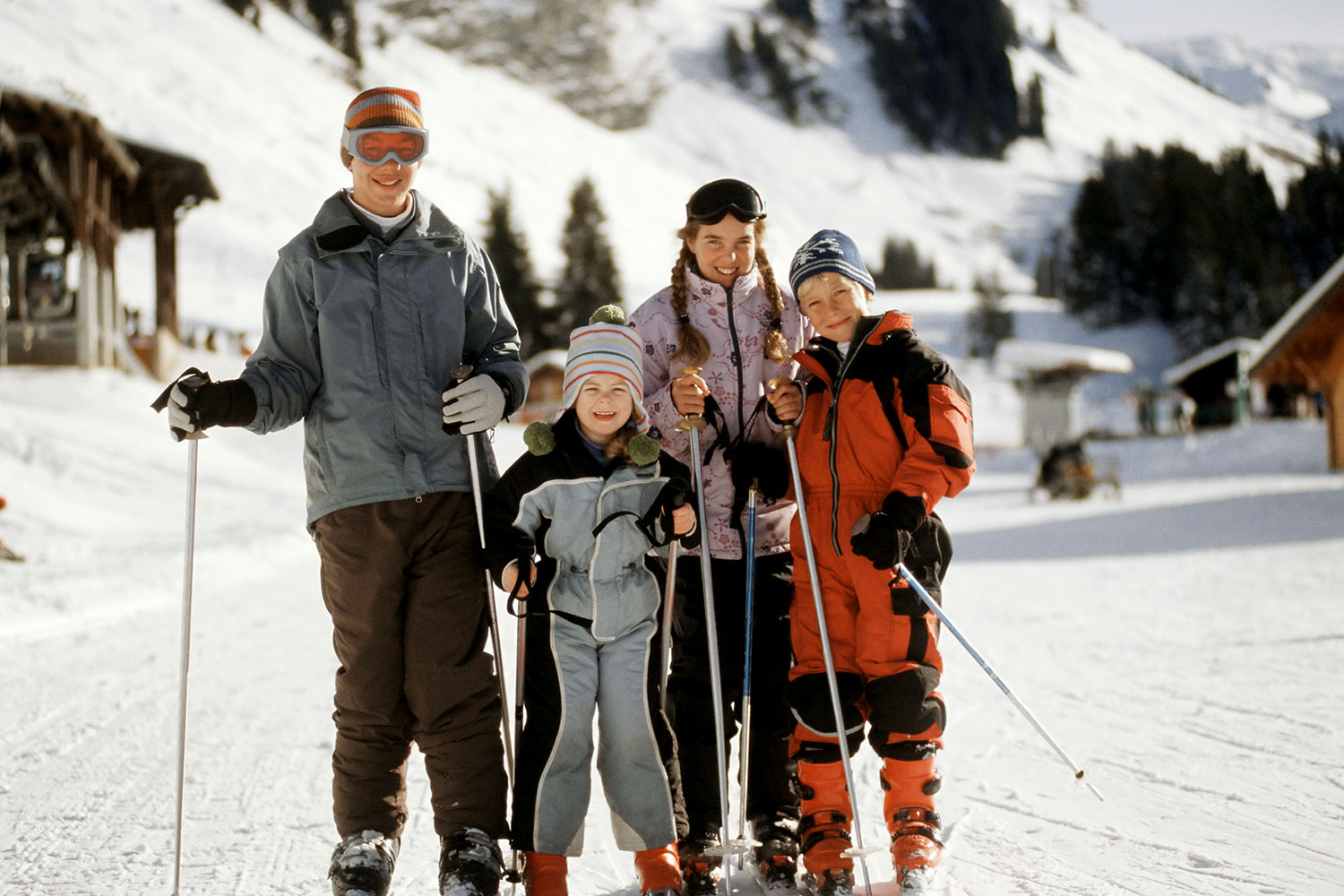
At Partners In Pediatrics, we unfortunately can see winter sports injuries that could have been prevented with proper equipment, rest, and supervision.
Preventing Frostbite and Hypothermia in Children
Frostbite can occur quickly in freezing temperatures, especially with wind exposure. Early signs include pale or grayish skin, numbness, tingling, and stiffness. If frostbite is suspected, move indoors immediately and warm the area gradually using body heat. Avoid rubbing the affected skin.
Hypothermia happens when the body temperature drops too low. Symptoms include intense shivering, confusion, fatigue, and slurred speech. Wet clothing dramatically increases risk. Children should always change out of damp clothes promptly.
Younger children may not recognize or communicate early warning signs, making adult supervision essential during extended outdoor play. Cold injury prevention is a key part of pediatric whole-child health during winter.
If you suspect either of these, please seek professional medical help immediately.
Ice Safety, Sledding, and Outdoor Winter Play
Frozen lakes, ponds, and retention basins are never reliably safe, even during long cold stretches. Ice thickness can vary dramatically across a single surface. Children should never walk or play on frozen water unless the area is officially monitored and supervised, and even then, constant adult presence is necessary.
For sledding, choose hills that are well away from roads, trees, fences, and playground equipment. Children should sled feet-first and one rider at a time. Wearing helmets during sledding is strongly encouraged and can significantly reduce the severity of head injuries.
Simple outdoor play routines also support cardiovascular health, coordination, and emotional well-being, which are all essential parts of a whole-child health framework.
Winter Sports, Indoor Athletics, and Injury Prevention
Basketball, hockey, gymnastics, dance, and indoor training programs are in full swing during Colorado’s winter season. While colder weather limits outdoor play, it often leads to intensified sports schedules.
Warm-ups are critical during winter months. Cold muscles are more likely to strain or tear. Light cardio and targeted stretching before practices and games reduce injury risk.
Hydration remains just as important in cold weather as it is during summer. Children often drink less when they are not sweating heavily, but dehydration still occurs through exertion and altitude.
Watch closely for signs of overuse injury, including recurring pain, swelling, limping, and declining performance. Early medical evaluation can help prevent long-term problems.
Partners In Pediatrics frequently guides families through winter sports injury prevention, safe return-to-play decisions, and growth-related activity concerns.
Altitude and Sun Exposure in Winter
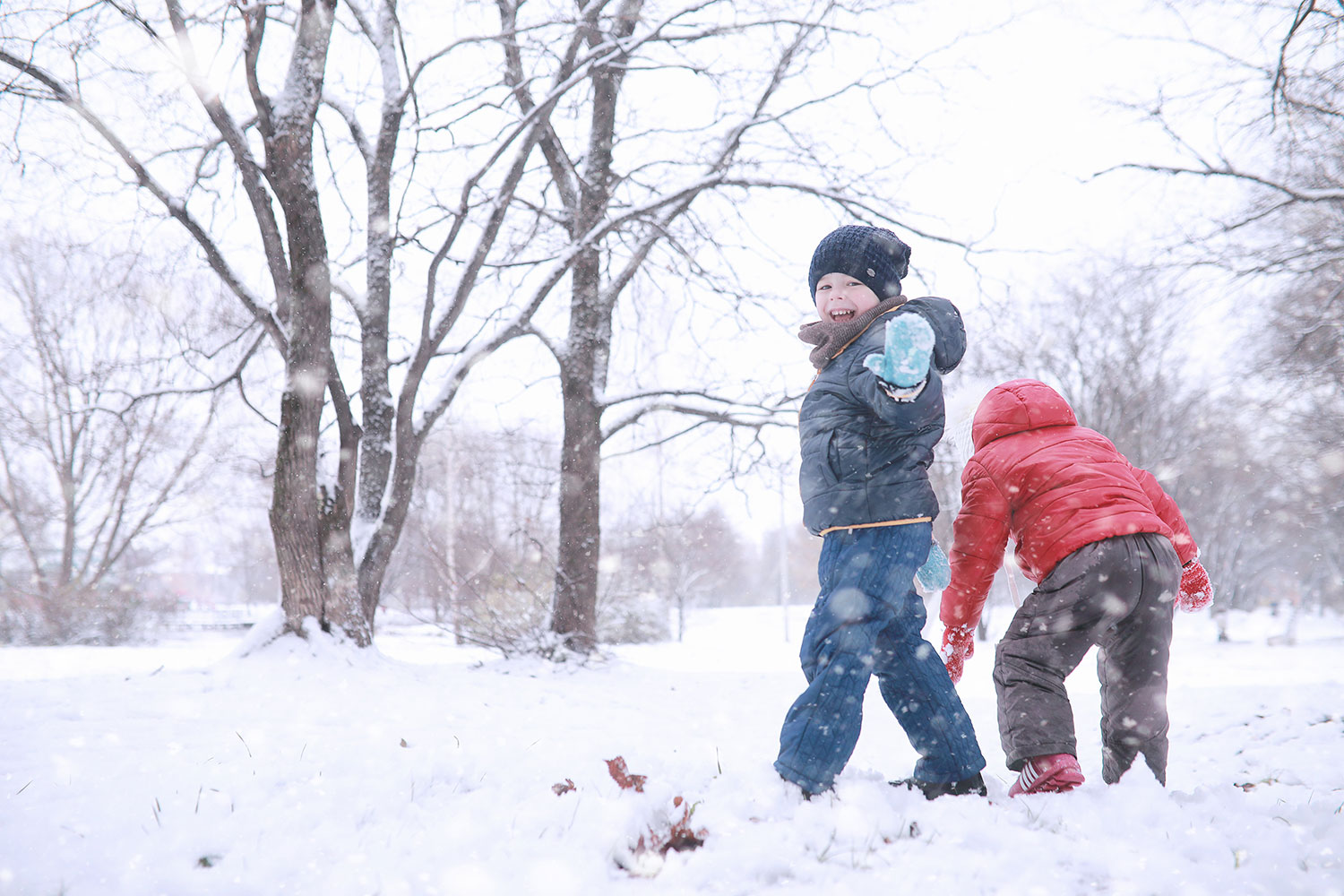
Colorado’s elevation creates two winter risks many families overlook – dehydration and sunburn.
Sun exposure is intense at high altitude, and snow reflects sunlight directly onto the face. Children should wear sunscreen on exposed skin and SPF lip balm even on cloudy days.
Altitude increases breathing effort and fluid loss. Fatigue, headaches, nausea, and dizziness can occur more quickly in children who are not well hydrated or well acclimated.
Supporting hydration, rest, and nutrition during winter sports plays an important role in protecting a child’s overall health and immune system.
Cold-Weather Travel and Car Safety
Every family vehicle should be stocked with a winter emergency kit that includes blankets, water, high-protein snacks, gloves, hats, and a flashlight.
Children should never be left unattended in vehicles during winter, even for short periods. Interior temperatures can drop rapidly and become unsafe within minutes.
Cold air can trigger breathing symptoms in children with asthma or reactive airway conditions. Make sure rescue inhalers and medications are always accessible during winter outings and travel.
Travel safety is an important extension of whole-child health and injury prevention during Colorado’s winter months. Note we have an upcoming blog on this topic in a week or two!
When to Contact Your Pediatrician
Families should contact Partners In Pediatrics or their pediatric provider right away if a child experiences:
- Signs of frostbite or hypothermia
- Head injury during skiing, sledding, or sports
- Persistent pain, swelling, or limping after winter activity
- Breathing difficulties triggered by cold exposure
- Symptoms of dehydration or altitude illness
Prompt evaluation helps reduce complications and ensures safe recovery.
Winter Safety and Whole-Child Health at Partners In Pediatrics
Winter is a season of movement, connection, and adventure for Colorado families. With the right preparation, supervision, and awareness, children can safely enjoy everything from snow play to competitive sports.
At Partners In Pediatrics, we are committed to supporting whole-child health through every season of life. That includes helping families prevent injury, manage winter illnesses, navigate sports safety, and build healthy lifelong habits.
Whether your family is new to winter activities or made up of seasoned Colorado adventurers, your pediatric care team is always here to support your child’s physical, emotional, and developmental well-being.
Leave a Reply