


The holidays are over, decorations are packed away, and suddenly the long stretch of winter feels very real. For many children and parents alike, January and February can bring a noticeable emotional and physical slump often referred to as the “Beginning of the Year Dip” or the “January Dip”. Short days, cold weather, disrupted routines, and the return to school pressures can all take a toll on a child’s mood, energy, and overall wellbeing.
At Partners in Pediatrics, we see this every winter. As integrative pediatricians serving families across the Denver metro area, we take a whole-child health approach to supporting children through seasonal transitions – emotionally, physically, and mentally. The good news is that with awareness and a few practical strategies, families can help kids navigate this time with resilience and confidence.
Below is a comprehensive guide to understanding the JanuaryDip and supporting your child through it.

What Is the January Dip?
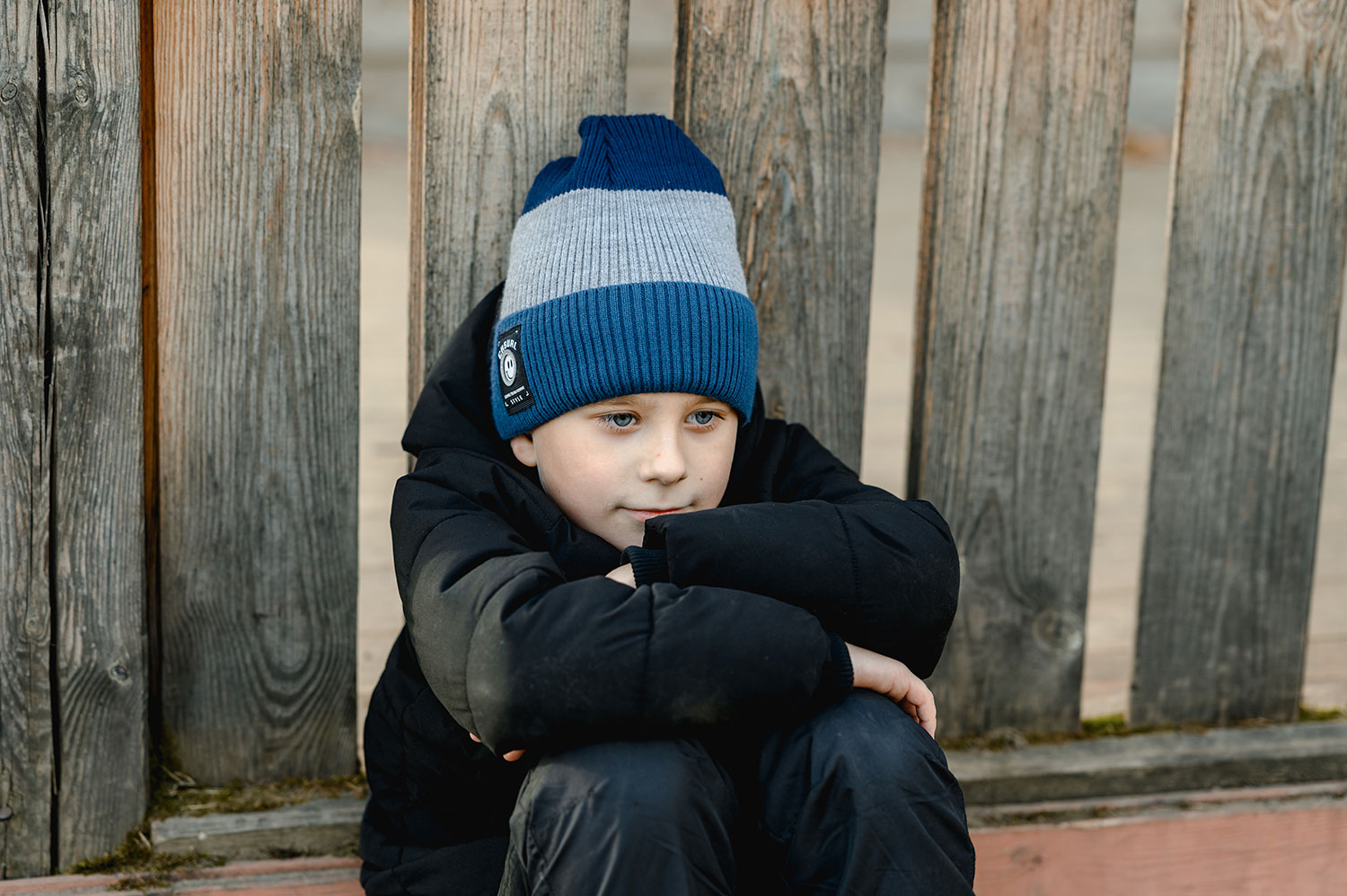
The January Dip refers to a period after the holidays when children may experience lower mood, increased irritability, fatigue, anxiety, or behavioral changes. This is not a clinical diagnosis, but rather a common seasonal pattern influenced by several factors.
In Colorado, winter can amplify this effect. Shorter daylight hours, colder temperatures, and limited outdoor time can disrupt circadian rhythms, sleep quality, and vitamin D levels. Combined with the abrupt transition from holiday excitement back to school routines, many children feel overwhelmed or emotionally flat.
Common signs of the January Dip in children include:
- Increased irritability or emotional sensitivity
- Fatigue or difficulty waking in the morning
- Changes in appetite
- Loss of interest in activities they usually enjoy
- Increased anxiety about school or social situations
- More frequent complaints of headaches, stomachaches, or body aches
For most children, these changes are temporary. Still, they deserve attention and support.
Why Winter Can Be Especially Hard on Kids
From a whole-child health perspective, winter affects multiple systems at once.
Biologically, reduced sunlight can disrupt melatonin and serotonin regulation, which play key roles in sleep and mood. Less movement and outdoor play can impact energy levels and emotional regulation. Nutritionally, children may crave more sugar and processed foods during the winter months, which can contribute to energy crashes and mood swings.
Emotionally and socially, January brings a return to structure and expectations after weeks of flexibility. Academic pressure resumes, extracurricular schedules restart, and children may feel a sense of letdown after the excitement of the holidays.
At Partners in Pediatrics, we view these challenges as interconnected rather than isolated. Supporting children through the January Dip means addressing the full picture.
Reestablishing Rhythms and Routines
One of the most powerful tools for helping children through seasonal transitions is predictable rhythm.
After the holidays, gently reinforcing consistent routines helps children feel safe and grounded. Regular bedtimes and wake times, consistent meal schedules, and predictable after-school routines support both emotional regulation and immune health.
Sleep is especially important during winter. Children need adequate rest to support mood, focus, and immune resilience. Dimming lights in the evening, limiting screens before bed, and creating calming bedtime rituals can make a meaningful difference.
For families in the Denver area, winter mornings can be dark and cold. Preparing the night before, laying out clothes, and allowing extra time in the morning can reduce stress for everyone.
Supporting Emotional Health and Mental Wellbeing
The January Dip is often more emotional than physical. Children may not always have the words to explain how they are feeling, so behavior becomes the language.
Encourage open conversations about emotions, even when the feelings seem small. Normalize seasonal changes by letting your child know that many people feel a bit lower in winter and that it is okay to talk about it.
Simple daily check-ins can help:
- What was one good thing about today?
- What felt hard?
- What are you looking forward to tomorrow?
At Partners in Pediatrics, we emphasize emotional literacy as a cornerstone of whole-child health. Naming feelings, validating experiences, and offering reassurance builds long-term resilience.
If a child shows persistent sadness, withdrawal, or anxiety that interferes with daily life, reaching out to your pediatric provider is important.
Movement and Outdoor Time – Even in Winter
Colorado winters can make outdoor play feel daunting, but movement remains essential for mood regulation and physical health.
Whenever possible, encourage time outside, even if it is brief. Sunlight exposure supports circadian rhythms and vitamin D synthesis, while physical activity helps regulate stress hormones.
Winter-friendly activities for Denver families include:
- Short neighborhood walks during daylight hours
- Sledding, snow play, or snowshoeing
- Indoor movement breaks like dance, yoga, or obstacle courses
Movement does not need to be intense to be effective. The goal is regular, joyful activity that supports both body and mind.
Nutrition for Winter Mood and Energy
Winter nutrition plays a major role in emotional wellbeing. During colder months, children often gravitate toward carbohydrate-heavy and sugary foods. While comfort foods have a place, balance is key.
From a whole-child health perspective, focus on:
- Protein at every meal to support stable energy
- Healthy fats for brain and nervous system support
- Warm, nourishing meals like soups, stews, and cooked grains
- Limiting excess sugar, which can worsen mood swings
Staying hydrated is also important, even when children do not feel as thirsty in winter.
Your integrative pediatricians at Partners in Pediatrics can help guide nutrition choices that support mood, immunity, and growth during the winter months.
Immune Health and Emotional Health Are Connected
Winter is also peak respiratory illness season in Colorado. Frequent colds, flu, RSV, and other infections can further contribute to fatigue and low mood.
Supporting immune health through adequate sleep, nutrition, movement, and stress management also supports emotional well-being. When children are run down physically, emotional resilience often suffers as well.
Creating Small Bright Spots in the Winter Months
One effective strategy for managing the January Dip is intentionally creating moments of joy and anticipation.
These do not need to be elaborate. Small rituals can have a big impact:
- Weekly family movie nights
- Special winter breakfasts
- Planning a simple weekend outing
- Letting your child help plan meals or activities
Looking forward to something, even something small, can help counteract the emotional heaviness of winter.

When to Check In With Your Pediatrician
Most children move through the January Dip with support and time. However, it is important to reach out to your pediatric care provider if:
- Low mood lasts more than a few weeks
- Anxiety or sadness interferes with school or relationships
- Sleep or appetite changes are significant
- Your child expresses hopelessness or persistent distress
As your medical home in the Denver metro area, Partners in Pediatrics is here to support your family through both physical and emotional health concerns.
Supporting Whole-Child Health All Year Long
Seasonal transitions can be challenging, but they also offer opportunities to build resilience, deepen connection, and support lifelong wellbeing.
At Partners in Pediatrics, our integrative, whole-child health approach means caring for the emotional, physical, and developmental needs of children from infancy through adolescence. Whether your child is struggling with winter blues, school stress, or seasonal illness, our team is here to partner with you.
If you have questions or concerns about your child’s mood, behavior, or winter health, please reach out to our offices serving Denver, Littleton, Englewood, Cherry Creek, Parker, City Park, Wash Park, Glendale and surrounding Colorado communities. We are always happy to help. Stay warm and stay healthy and happy!
Leave a Reply