


Summer has a way of opening the door to some of childhood’s most memorable experiences. Camp days, family vacations, road trips, flights, sleepovers, mountain weekends, visits with relatives, and new adventures can all give children opportunities to grow, connect, explore, and build confidence.
For many Denver-area families, summer also brings a different rhythm. School routines change. Bedtimes shift. Children may spend more time away from home. Families may travel across time zones, pack their calendars with camps and activities, or try to make the most of Colorado’s beautiful outdoor season.
All of that can be exciting. It can also feel like a lot.
Even children who are looking forward to camp or travel may feel nervous, tired, overstimulated, or emotionally stretched. Some kids express that with questions and worries. Others show it through irritability, clinginess, stomachaches, headaches, sleep struggles, or meltdowns that seem to come out of nowhere.
At Partners in Pediatrics, we encourage families to prepare for summer camp and travel through a Whole Child Health lens. That means thinking beyond packing lists and logistics. It means supporting a child’s physical health, emotional wellbeing, sleep, nutrition, routines, independence, and sense of security as they move into new experiences.
Summer Transitions Can Feel Bigger Than Parents Expect
Adults often think of summer activities as fun, and many of them are. But for children, even positive changes can still be stressful.
A child going to camp may be wondering where they will sit at lunch, whether they will know anyone, what the bathrooms will be like, whether they will miss home, or what happens if they need help. A child heading into family travel may be dealing with long car rides, airport crowds, unfamiliar beds, new foods, later nights, or less downtime than usual.
Children do not always have the language to say, “I’m feeling overwhelmed by this transition.” Instead, parents may notice behavior changes. A child who is usually flexible may become more reactive. A child who seemed excited about camp may suddenly say they do not want to go. A child who loves vacation may still have a meltdown after a long travel day.
These reactions do not mean something is wrong. They often mean a child’s nervous system is working hard to adjust.
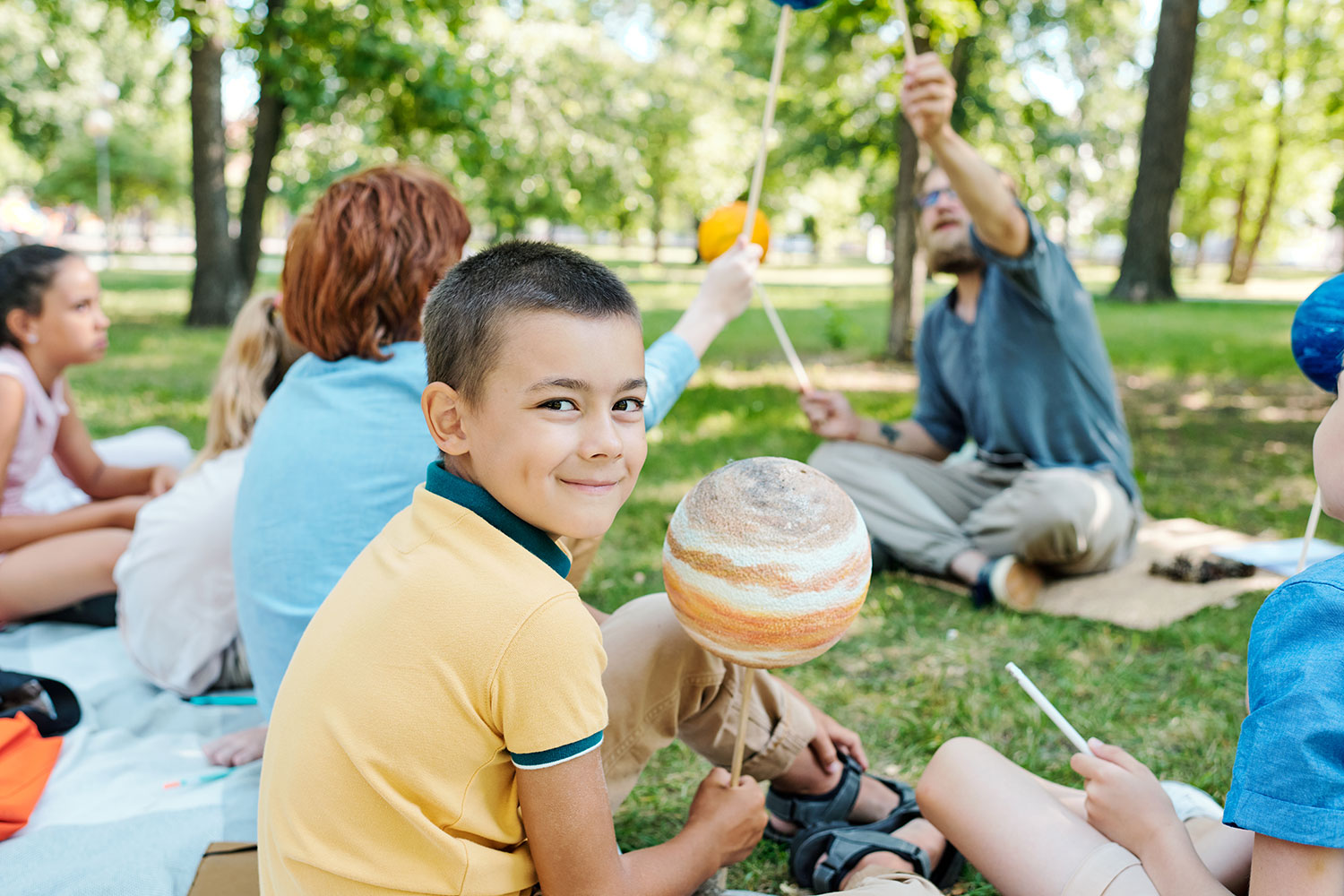
Talk About Plans Before They Happen
One of the simplest ways to help children feel more secure is to let them know what to expect.
For younger children especially, predictability is calming. Before camp, parents can talk through where the child will go, who will be there, what the daily rhythm may look like, what they should bring, and who they can ask for help. Before travel, it can help to explain transportation plans, sleeping arrangements, meals, schedule changes, and any long waiting periods.
The goal is not to over-explain every possible challenge or accidentally make the experience sound scary. The goal is to give children a simple mental map.
A calm conversation can sound like, “We’re going to drive to the airport in the morning, then we’ll go through security, wait for our plane, and fly to Grandma’s house. It may feel like a long day, but we’ll bring snacks, books, and your headphones.”
For camp, it may sound like, “You might feel a little nervous on the first day because it’s new. That’s normal. Your counselor will help you know where to go, and I’ll pick you up after snack time.”
Small details can make unfamiliar experiences feel more manageable.
Sleep Is One of the Most Important Travel Tools
Sleep disruption is one of the biggest reasons summer experiences can become harder for kids than parents expect.
When children are overtired, they are often more anxious, more emotionally sensitive, less flexible, and more likely to struggle with transitions. This can be especially true during travel, overnight camp, sleepovers, late summer events, and busy vacation days.
In the days leading up to camp or travel, it helps to keep sleep as steady as possible. A few late nights are not the end of the world, but repeatedly pushing bedtime later and later can make the actual transition much harder.
During travel, flexibility is normal. Families may stay out later, share rooms, or adjust to a different schedule. Still, maintaining some familiar bedtime cues can help. A favorite stuffed animal, a consistent bedtime routine, a familiar book, white noise, or a few quiet minutes with a parent can help children settle even in a new place.
For many children, better sleep means better coping.
Practice Independence Before Camp
Camp can be a wonderful place for children to build confidence, but independence feels easier when children have practiced small skills ahead of time.
This does not need to be formal or stressful. A child can practice packing a backpack, applying sunscreen with supervision, refilling a water bottle, changing clothes independently, keeping track of shoes or towels, managing toiletries, or asking an adult for help.
For overnight camp, it may help to practice sleeping away from home in a lower-pressure setting first, such as a night with grandparents or a trusted friend. Even small experiences can help children learn, “I can do this.”
Independence grows gradually. Children do not need to feel perfectly confident before trying something new. But practicing a few basic skills can reduce anxiety and help them feel more capable.
Homesickness Is Normal
Many parents worry about homesickness, especially before overnight camp or extended time away from home. That worry is understandable. No parent wants their child to feel sad, lonely, or scared.
But homesickness is very common, and it does not mean a child is failing. It also does not necessarily mean the child was not ready.
Missing home is often part of the emotional stretch of growing up. Children can miss their parents and still have fun. They can feel nervous and still gain confidence. They can have a hard first night and still come home proud of themselves.
Parents can help by staying warm but confident. It is usually more helpful to say, “It’s normal to miss home sometimes, and I know you can handle this,” than to over-reassure or suggest that homesickness means something has gone wrong.
Children often borrow confidence from the adults around them. When parents communicate calm trust, children are more likely to feel safe trying new things.
Don’t Forget Recovery Time
It is easy for summer to become overfilled. Camps, sports, lessons, trips, family visits, parties, and outdoor activities can all be wonderful. But when every week is packed, children may become emotionally and physically drained.
A healthy summer rhythm includes both adventure and recovery.
Children need unstructured play, quiet time, slow mornings, time at home, and ordinary family connection. They need space to be bored, imagine, rest, and decompress. This is especially important for children who are sensitive to transitions, prone to anxiety, or easily overstimulated.
If a child seems more irritable than usual during a busy summer stretch, the answer may not be another activity. It may be fewer plans, more sleep, more water, a calmer evening, or a day at home.
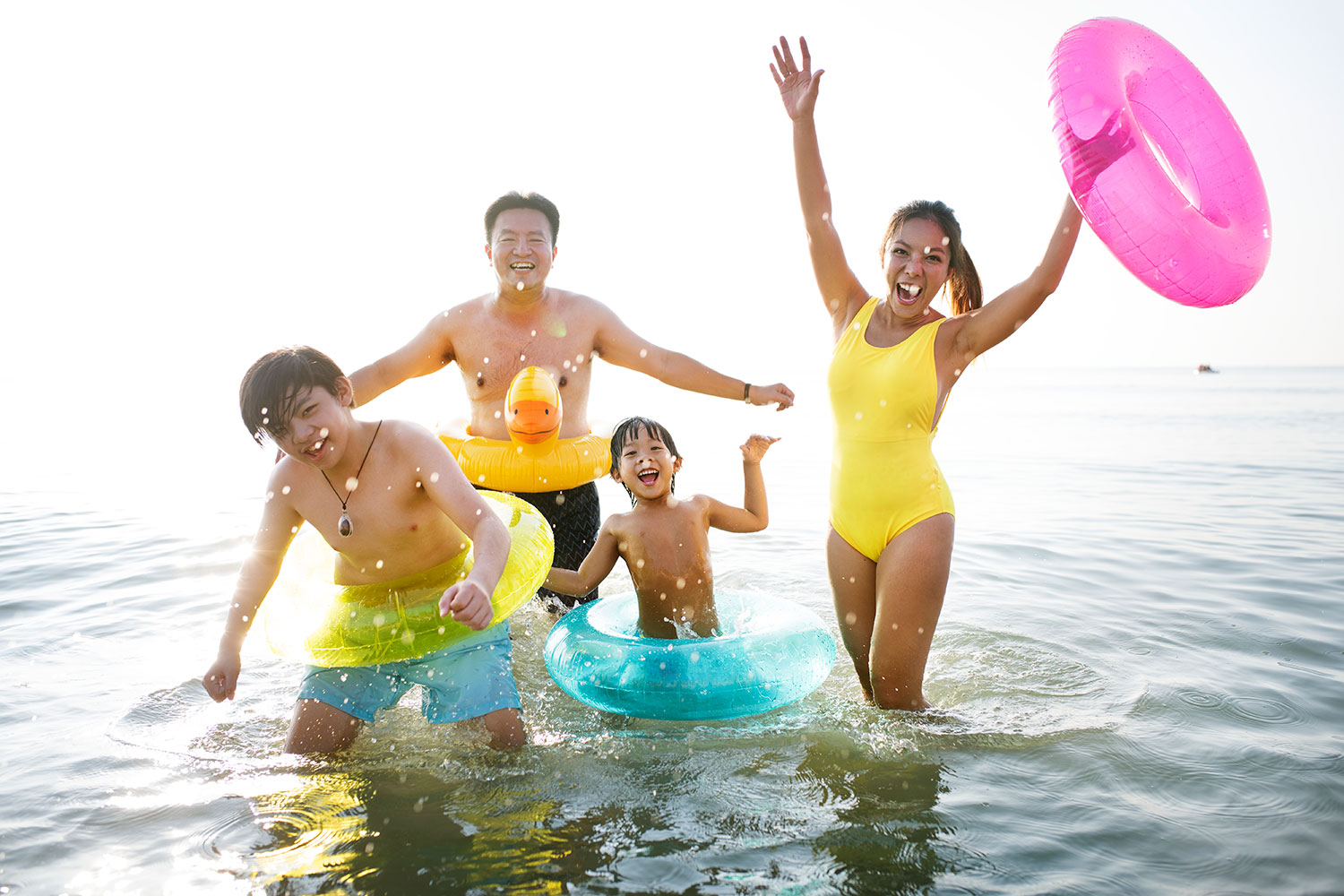
Nutrition and Hydration Matter More During Summer
Travel and camp can disrupt normal eating and drinking patterns. Children may be offered unfamiliar foods, eat at different times, snack more often, drink less water, or become so busy that they ignore hunger and thirst cues.
Denver-area families also need to remember that Colorado’s altitude, dry air, heat, and active outdoor culture can increase the risk of dehydration, especially during camps, sports, hikes, playground time, and long days outside.
Parents can support children by packing familiar snacks, encouraging water breaks, sending a refillable water bottle, and helping children understand how their bodies feel when they are hungry, thirsty, tired, or overheated.
Hydration and nutrition are not just physical issues. A child who is hungry, dehydrated, hot, and tired may have a much harder time regulating emotions.
Travel Stress Often Looks Like Behavior
Long travel days can be hard on children. Airports, traffic, crowds, heat, missed naps, schedule changes, and unfamiliar environments can all create nervous system overload.
When this happens, parents may see tantrums, whining, defiance, tears, or sudden emotional sensitivity. While boundaries still matter, it can help to interpret some of this behavior through the lens of stress and fatigue rather than simply “bad behavior.”
Whenever possible, build in margin. Leave extra time. Bring snacks. Allow movement breaks. Keep expectations realistic. Avoid scheduling every moment of a trip. Give children time to transition when arriving somewhere new.
Travel rarely goes perfectly with kids, and that is okay. A flexible parent is often one of the best travel tools a child can have.
Screens During Travel Can Be Used Thoughtfully
Many parents rely more on screens during road trips and flights. That is completely understandable.
The goal does not need to be perfection. Instead, families can aim for balance. Calm, age-appropriate shows, audiobooks, music, drawing supplies, books, simple games, snacks, and movement breaks can all work together.
Screens may be especially useful during long stretches of travel, but it helps to avoid overstimulating content right before sleep or during moments when a child is already emotionally flooded.
Technology can be part of summer travel without taking over the entire experience.
Camp and Travel Help Children Grow
Summer camp and travel can stretch children in healthy ways. They may learn to solve problems, meet new friends, ask for help, tolerate discomfort, try unfamiliar foods, sleep in new places, manage disappointment, or discover that they are more capable than they realized.
These experiences do not need to be perfectly smooth to be valuable.
In fact, manageable challenges are often part of healthy emotional development. A child who feels nervous and then gets through the day builds confidence. A child who misses home and still participates learns resilience. A child who has a hard travel day and then recovers learns flexibility.
The goal is not to prevent every difficult feeling. The goal is to help children feel supported enough to move through new experiences with growing confidence.

Prepare for Health and Safety Needs
Before camp or travel, it is wise to review any health needs that may affect your child’s experience. This is especially important for children with allergies, asthma, chronic medical conditions, anxiety, sleep challenges, behavioral health concerns, motion sickness, or medication needs.
For camp, make sure staff have clear information about allergies, medications, emergency contacts, and any emotional or behavioral needs that may help them support your child. For travel, pack important medications, sunscreen, hydration supplies, comfort items, and copies of any essential health information.
It can also be helpful for children to know basic safety information, such as their full name, a parent’s name, and what to do if they need help.
When Should Parents Talk With Their Pediatrician?
Parents may want to check in with their pediatrician before camp or travel if their child has significant anxiety, severe food allergies, asthma, chronic medical needs, sleep difficulties, behavioral health concerns, frequent motion sickness, or medication needs while away from home.
It is also appropriate to schedule camp physicals, sports physicals, or wellness visits before summer activities begin.
At Partners in Pediatrics, we believe summer experiences should support whole-child wellness. With thoughtful preparation, realistic expectations, and a little flexibility, camp and travel can help children build confidence, connection, resilience, and joyful memories that last well beyond the season.
Frequently Asked Questions About Summer Camp and Travel for Kids
How can I help my child prepare for summer camp?
Talk through what to expect, practice small independence skills, keep sleep routines steady, and approach the experience with calm confidence. Children often feel more secure when they have a clear sense of what will happen and who can help them.
Is homesickness normal at summer camp?
Yes. Homesickness is very common, especially during overnight camp or new experiences away from home. Missing home does not mean a child is failing or that camp is a bad fit.
How can I reduce travel stress for kids?
Build in extra time, bring snacks and water, allow movement breaks, keep expectations flexible, protect sleep when possible, and avoid over-scheduling every moment of the trip.
Should kids keep the same sleep schedule while traveling?
Some flexibility is normal during travel, but keeping familiar bedtime routines and protecting adequate sleep can help children regulate emotionally and physically.
How can parents support anxious children before camp or travel?
Validate their feelings, answer questions honestly, normalize nervousness, avoid excessive reassurance, and focus on helping them build confidence gradually.
What should I pack for healthy summer travel with kids?
Helpful items may include water bottles, familiar snacks, sunscreen, medications, comfort items, simple activities, headphones, and anything that supports sleep in a new environment.
When should I call our pediatrician before camp or travel?
Contact us if your child has significant anxiety, severe allergies, asthma, chronic medical conditions, sleep concerns, medication needs, or any health issue that may require planning before camp or travel.
Leave a Reply