


Summer in Colorado means more time outside – hiking, camping, playgrounds, sports, backyard barbecues, pool days, and mountain adventures. For many Denver-area families, outdoor time is one of the best parts of childhood.
Fresh air, movement, sunshine, and unstructured outdoor play support whole-child health in powerful ways. Time outside helps children build confidence, reduce stress, improve sleep, support physical health, and stay emotionally regulated.
At the same time, summer outdoor activities also come with a few seasonal safety concerns that parents naturally worry about – especially tick bites, mosquitoes, sun exposure, dehydration, and insect-related illnesses.
The good news is that most outdoor risks can be managed with simple, practical precautions that still allow children to fully enjoy everything a Colorado summer has to offer.
Are Tick Bites Common in Colorado?
Compared to some parts of the country, Colorado is considered a relatively low-risk state for Lyme disease. However, ticks are still present throughout the Denver metro area and mountain regions, especially in grassy, brushy, or wooded environments.
Children are more likely to encounter ticks during:
- Hiking
- Camping
- Outdoor sports
- Mountain trips
- Playing in tall grass
- Exploring wooded areas
While Lyme disease is less common in Colorado than in the Northeast or Upper Midwest, ticks can still carry other illnesses and infections. That’s why prevention and early detection remain important.
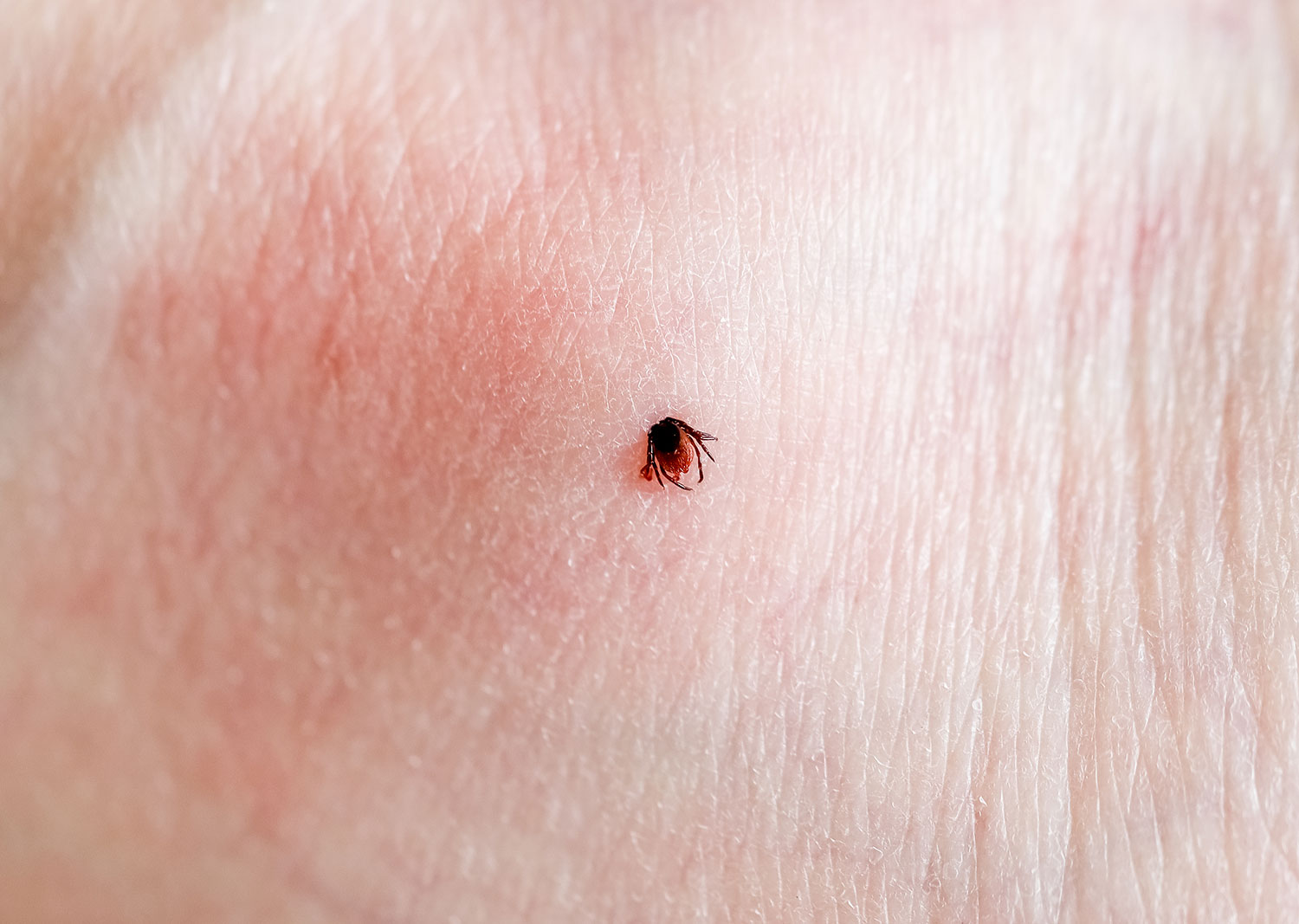
How to Prevent Tick Bites in Kids
Fortunately, a few simple habits can dramatically reduce the risk of tick bites.
Dress Strategically Outdoors
When hiking or spending time in brushy areas:
- Wear long sleeves when practical
- Use lightweight long pants
- Tuck pants into socks for high-risk areas
- Choose light-colored clothing to spot ticks more easily
Use Child-Safe Insect Repellent
EPA-registered insect repellents containing DEET or picaridin are generally considered safe and effective when used properly in children.
Parents should:
- Follow label instructions carefully
- Avoid spraying near eyes or mouth
- Wash repellent off after returning indoors
- Avoid applying underneath clothing
For infants and younger babies, talk with your pediatrician about age-appropriate recommendations.
Perform Tick Checks After Outdoor Activities
One of the most effective prevention strategies is simply checking children carefully after outdoor play.
Pay close attention to:
- Scalp and hairline
- Behind the ears
- Armpits
- Behind knees
- Waistbands
- Groin area
Ticks are often very small and easy to miss.
What Should Parents Do If They Find a Tick?
If you find a tick attached to your child:
- Use fine-tipped tweezers
- Grasp the tick close to the skin
- Pull upward steadily and gently
- Avoid twisting or crushing the tick
- Wash the area afterward with soap and water
Do not:
- Burn the tick
- Smother it with petroleum jelly
- Squeeze the body of the tick
Most tick bites do not lead to illness. However, parents should monitor for symptoms over the following days and weeks.
Signs of Possible Tick-Related Illness
Contact your pediatrician if your child develops:
- Fever
- Rash
- Fatigue
- Joint pain
- Headache
- Flu-like symptoms
- Expanding redness around the bite
Many parents worry immediately about Lyme disease after any tick bite, but it’s important to remember that the overall risk in Colorado remains relatively low.
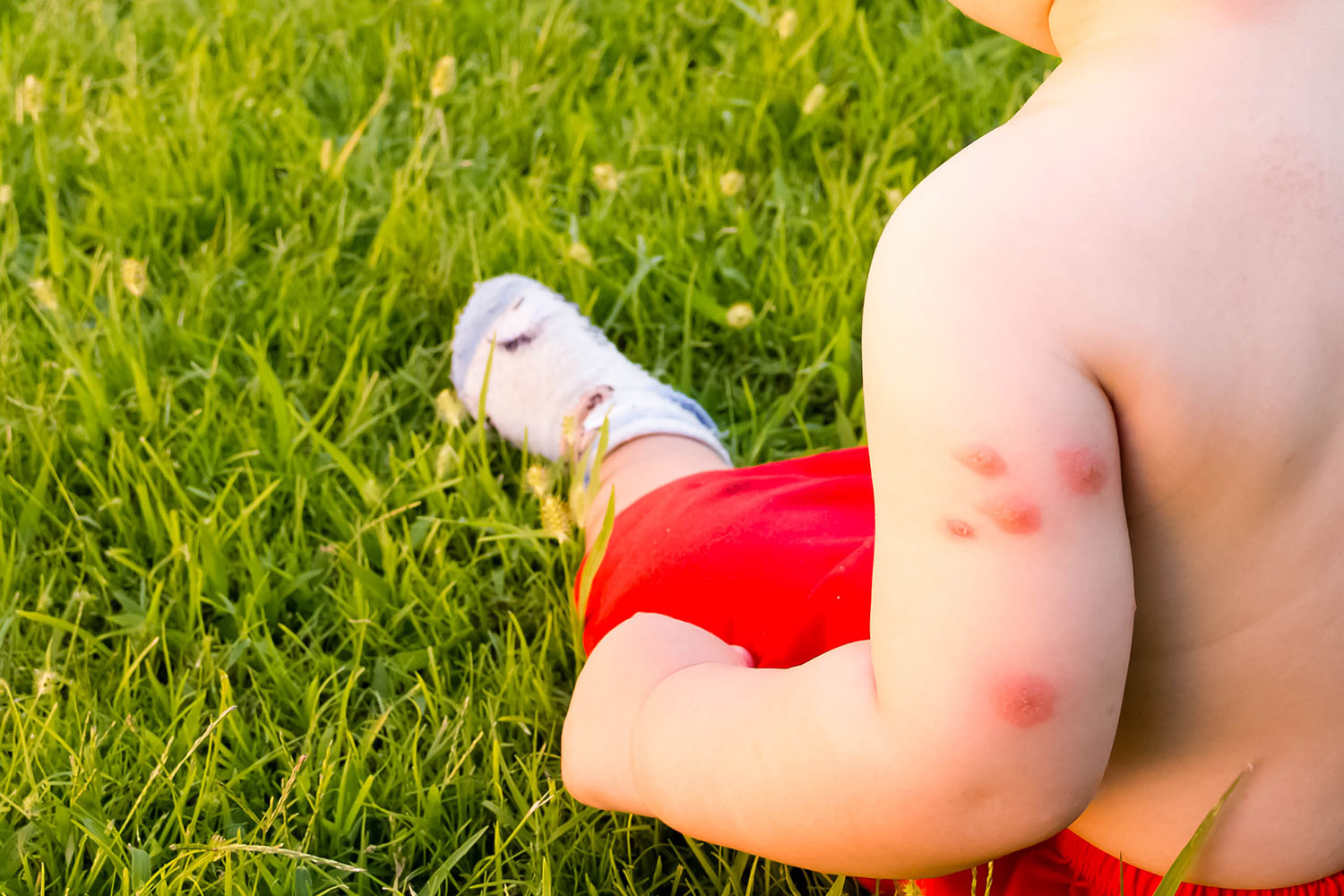
Mosquitoes and Kids – What Parents Should Know
Mosquito bites are extremely common during Colorado summers, especially around:
- Standing water
- Parks
- Lakes
- Evening outdoor activities
- Sprinklers and backyard play
For most children, mosquito bites are more annoying than dangerous. However, some children develop significant swelling or skin irritation from bites.
Mosquito prevention strategies include:
- Using child-safe insect repellent
- Avoiding standing water near the home
- Wearing lightweight protective clothing
- Limiting outdoor exposure around dusk when mosquitoes are most active
Why Some Children React More Strongly to Mosquito Bites
Some children experience large local reactions to mosquito bites, including:
- Significant swelling
- Redness
- Warmth
- Intense itching
This does not necessarily mean an infection is present. Children’s immune systems can simply react more dramatically to mosquito saliva.
To help reduce discomfort:
- Apply cool compresses
- Discourage scratching
- Use pediatrician-approved anti-itch treatments when needed
- Keep fingernails trimmed to reduce skin damage

Outdoor Safety Is About More Than Bugs
Whole-child summer wellness also includes helping children stay safe physically and emotionally while still allowing healthy freedom and outdoor exploration.
Hydration Matters More in Colorado
Denver’s dry climate and higher elevation increase dehydration risk, especially in active children.
Signs of dehydration may include:
- Fatigue
- Headache
- Dizziness
- Dry lips
- Irritability
- Dark urine
Encourage children to drink water regularly throughout the day – not just once they feel thirsty.
Sun Protection Is Essential
Colorado’s elevation increases UV exposure, even on cooler or cloudy days.
Parents should:
- Use broad-spectrum sunscreen
- Reapply sunscreen regularly
- Encourage hats and sunglasses
- Seek shade during peak afternoon sun
Sunburns in childhood can increase long-term skin cancer risk later in life.
Outdoor Play Supports Whole-Child Health
Despite understandable parental concerns about bugs, sun, and injuries, outdoor play remains incredibly important for children’s development.
Time outside supports:
- Emotional wellbeing
- Physical activity
- Sensory development
- Better sleep
- Reduced stress
- Creativity and imagination
- Social development
Children benefit tremendously from opportunities to explore, move, and connect with the natural world.
The goal is not avoiding outdoor experiences – it’s helping children enjoy them safely and confidently.
When Should Parents Call their Pediatrician?
Contact your pediatrician if your child experiences:
- Fever after a tick bite
- Rash or expanding redness
- Difficulty breathing after an insect sting
- Severe swelling
- Signs of skin infection
- Persistent symptoms after bites
- Significant allergic reactions
It’s also always appropriate to reach out if you are unsure whether a reaction looks normal.
Seek immediate medical care if your child experiences difficulty breathing after an insect bite or after a severe allergic reaction.
At Partners in Pediatrics, we believe healthy childhood includes active outdoor play, movement, exploration, and helping families feel confident navigating summer safety in Colorado.
Frequently Asked Questions About Tick Bites and Mosquitoes
Are ticks dangerous in Colorado?
Most tick bites in Colorado do not lead to serious illness, but ticks can occasionally carry infections. Prevention and prompt removal are still important.
What is the safest way to remove a tick?
Use fine-tipped tweezers and pull upward steadily without twisting or crushing the tick.
Can mosquito bites make children very swollen?
Yes. Some children have stronger local reactions to mosquito bites that can cause significant swelling and redness.
Is DEET safe for children?
When used according to label instructions, EPA-registered repellents containing DEET are generally considered safe and effective for children.
How can I protect my child from mosquito bites naturally?
Protective clothing, avoiding standing water, limiting dusk exposure, and using fans outdoors may help reduce mosquito exposure, though repellents are often the most effective protection.
When should I worry about a tick bite?
Parents should seek immediate medical care if a child has trouble breathing after an insect bite or a severe allergic reaction.